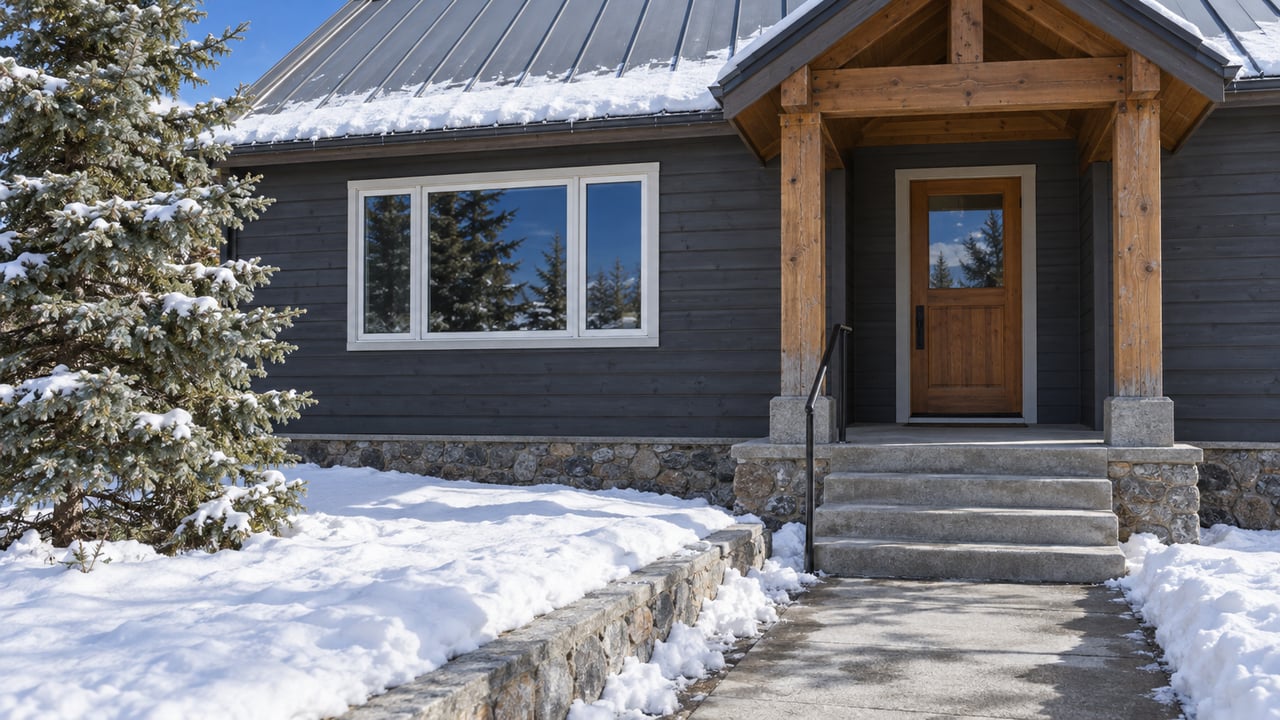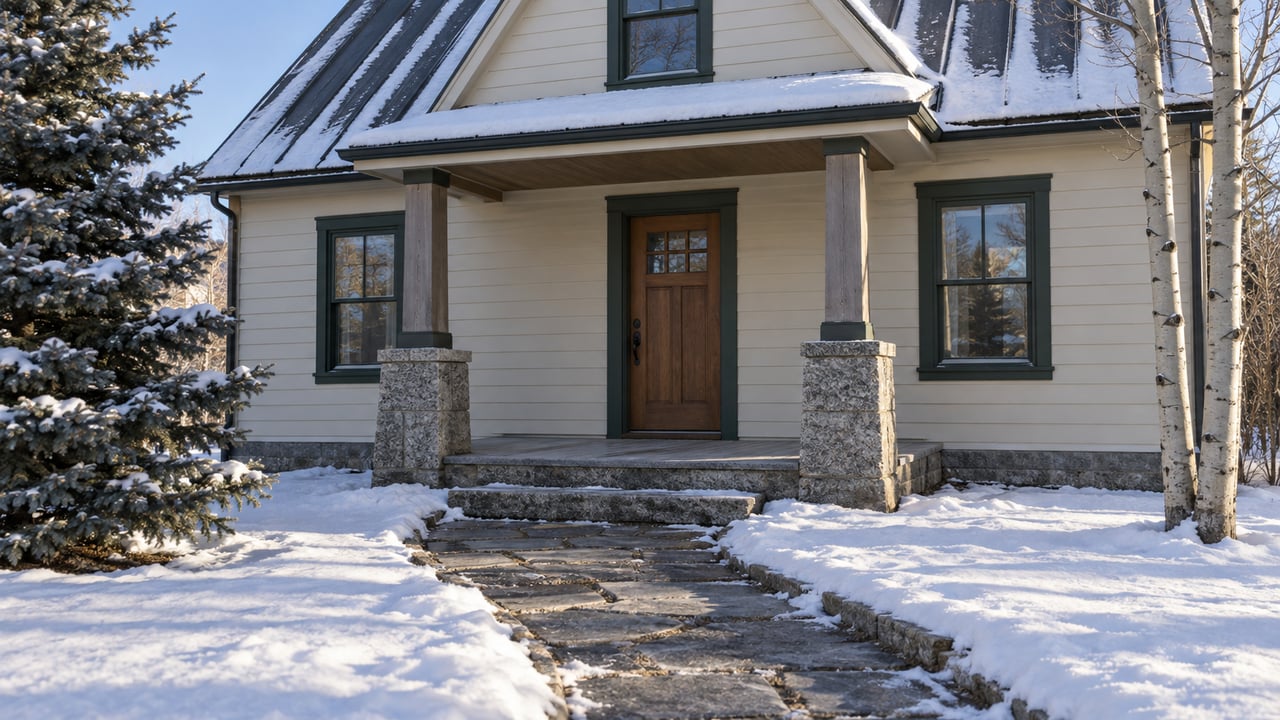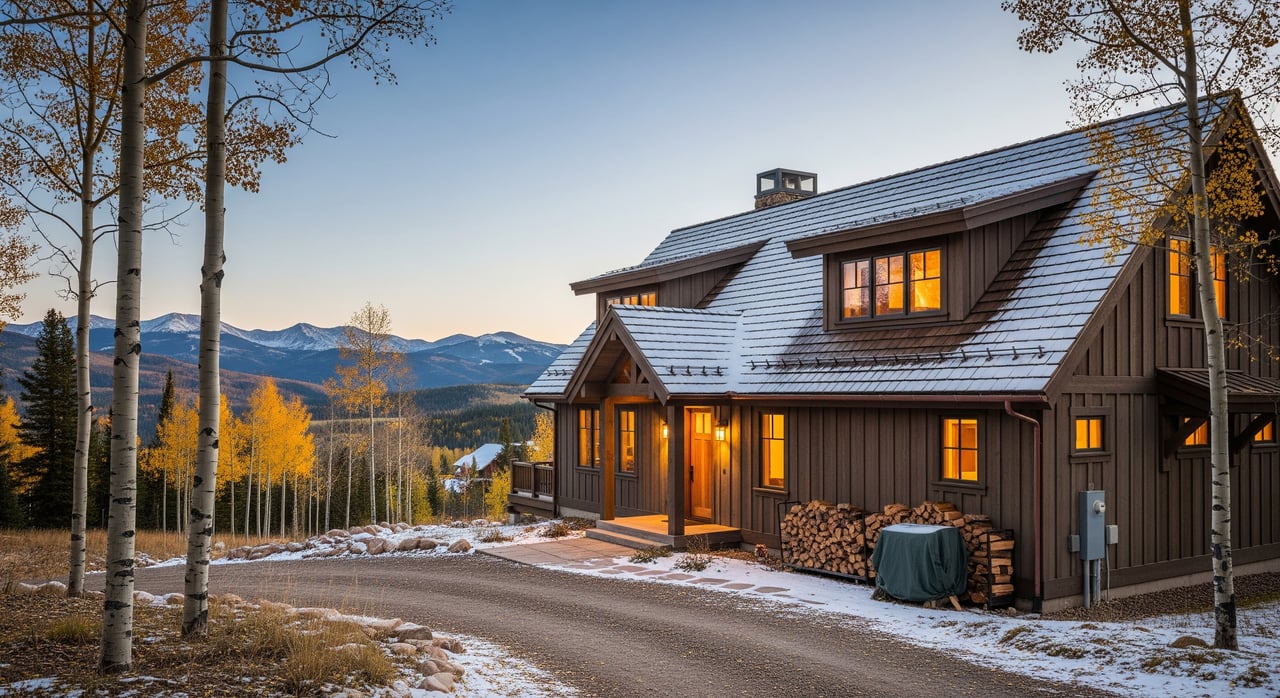
The first hard freeze can arrive early in Hartsel, and winter tends to linger. At high elevation in the South Park basin, cold snaps, wind, and drifting snow can turn small issues into big repairs. If you want your mountain home to stay warm, dry, and accessible all season, a simple, proven checklist is your best friend.
Below, you’ll find a practical plan tailored to Hartsel and Park County conditions. You will learn what to prioritize, when to do it, and how to keep both occupied and vacant homes protected. Let’s dive in.
Hartsel winter reality: what to expect
Hartsel’s high elevation means longer, colder winters and frequent freeze and thaw cycles from fall through spring. Wind and drifting can build snow where you least expect it, including across driveways and entries.
Winter storms can slow contractor response and limit access if roads close. Power outages do happen, and shorter daylight hours add to the challenge. Plan ahead so you are not scrambling when the first storm hits.
For weather, road status, codes, and safety guidance, consult the National Weather Service, Colorado Department of Transportation, Park County Office of Emergency Management, Park County Building Department, Colorado State University Extension, and the Colorado State Forest Service.
Your simple winterizing checklist
Heating, combustion safety, and indoor climate
- Schedule a professional tune up for your furnace, boiler, heat pump, or stove before sustained cold. Ask for a combustion safety check and verification of venting and flues.
- Clean or replace filters and test your thermostat. Consider a programmable or smart thermostat for steadier temps.
- If you use a wood or pellet stove, book a chimney sweep and inspection. Verify damper seals and chimney flashing, and follow NFPA guidance for clearances and creosote removal.
- Install or test smoke and carbon monoxide detectors on every level and near sleeping areas. Replace batteries and confirm alarm dates.
- If you rely on portable heaters, confirm they are rated for indoor use. Avoid unvented combustion in confined areas.
- Using a generator? Service it, confirm proper transfer switching, and keep it outside with safe ventilation. Never run a generator in a garage or enclosed space.
Plumbing, water supply, and freeze protection
- Insulate exposed pipes in crawlspaces, attics, garages, and exterior walls. Use heat tape on vulnerable runs and install it per manufacturer and electrical code.
- Locate and label your main water shut off valve. Make sure every adult in the home knows how to use it.
- If occupied, many insurers recommend keeping indoor temperature at or above about 55°F to help prevent freezing. On very cold nights, a slow trickle at the most vulnerable fixtures can help, if safe for your system.
- For seasonal or vacant homes, choose full winterization or maintain low heat with regular checks. Full winterization includes draining and blowing out lines and winterizing the water heater and irrigation.
- Protect well components. Insulate above ground well piping and protect pressure tanks in unheated areas. Know how to shut off the well system quickly.
- Care for septic systems. Protect tank risers and pipes, avoid parking heavy equipment on the leach field, and keep an insulating layer of snow in place if appropriate.
- Shut off and drain exterior faucets and irrigation lines. Use insulated covers or frost free hose bibs where applicable.
Roofs, gutters, eaves, and ice dams
- Book a pre season roof inspection. Check shingles, flashing at penetrations, and attic ventilation and insulation.
- Clear gutters and downspouts so meltwater flows away. Extend discharge away from the foundation.
- Prevent ice dams by sealing attic air leaks and ensuring continuous ventilation so the roof surface stays uniformly cold at the eaves.
- After major storms, watch for warning signs such as sagging, new cracks, or sticking doors. For significant accumulations, hire a professional. Use a roof rake from the ground for light snow at the eaves.
Windows, doors, insulation, and air sealing
- Seal gaps with weatherstripping and caulk. Add window film to drafty panes to reduce heat loss.
- Verify attic insulation levels and seal air leaks at electrical penetrations, chimneys, and hatches.
- For crawlspaces and foundation vents, follow local building practices. In very cold climates, some homes close vents for winter while others use different strategies. Confirm with local experts.
Utilities, fuels, and power resilience
- Top off propane tanks early to avoid delivery delays during peak demand. Track usage rates at high elevation homes.
- If you have solar, test backup batteries and verify inverters and controllers are in good order.
- Service portable or standby generators and confirm transfer equipment is installed properly. Review utility outage procedures and how to report downed lines.
Exterior, landscape, and access
- Trim dead or weak branches near the home, drive, and power lines. Remove leaning or hazard trees as recommended by qualified pros.
- Arrange snow removal ahead of time or verify your equipment is ready. Keep a snowblower, sturdy shovels, and a roof rake on hand. Plan for emergency vehicle turnaround if snow berms build up.
- For open lots prone to drifting, consider temporary snow fencing or landscaping solutions to reduce drifts across driveways and doors.
- Seal small openings to deter rodents and wildlife from nesting in crawlspaces or attics.
Vacant property specifics
- Decide whether to fully drain the home or maintain low heat with periodic checks. Insurance requirements and property condition often guide this choice. Document what you do.
- Hire a local inspector or property manager for regular winter visits. They can verify heat, check for frozen pipes, and confirm that snow removal is happening.
- Shut off nonessential utilities, secure fuel deliveries, maintain exterior lighting, and use a monitored alarm if available.
Safety, detectors, and emergency planning
- Install working smoke and carbon monoxide detectors with fresh batteries or hardwired units with backup.
- Build a winter emergency kit with water, food, blankets, flashlights, batteries, and needed medications. Keep phone power banks charged and ready.
- Use generators and heaters safely. Never operate them indoors. Follow guidance from safety organizations on carbon monoxide risks.
Timeline: what to do and when
Early fall: September to October
- Service the heating system and schedule a chimney sweep.
- Inspect the roof, attic insulation, and ventilation. Clear gutters.
- Trim trees and remove hazard branches. Order propane or heating fuel.
- Test generators and inspect heat tape on exposed pipes.
- Line up snow removal contractors and confirm access plans.
Late fall: October to November
- Winterize irrigation and exterior faucets. Install weatherstripping and window film where needed.
- Fill propane tanks if levels are low. Stock ice melt and sand.
- Review insurance requirements for seasonal occupancy. If you will be away, set up periodic property checks.
- Place emergency supplies in vehicles and confirm you have a way to receive weather alerts.
Early winter: first snows
- Clear initial snow quickly so it does not compact into ice. Confirm driveway and turnaround access.
- Monitor attic temperature, drafts, and early signs of ice damming.
- Verify detectors and backup power are working as expected.
Midwinter: ongoing
- Track fuel levels and maintain a safe minimum interior temperature.
- Use a roof rake on shallow accumulations at eaves and hire professionals for heavy loads or steep roofs.
- Investigate new noises, cracks, or sticking doors promptly.
Spring reactivation
- If you drained the home, reverse winterization and inspect for damage from freeze and thaw cycles.
- Service HVAC and appliances and check for any water intrusion or foundation concerns.
Vacant or seasonal? Choose your strategy
You generally have two approaches if the home will be empty. One is to fully winterize by draining water lines, blowing them out, winterizing the water heater, and adding RV grade antifreeze to traps. The other is to maintain low heat and schedule regular property checks.
Your insurance policy may influence this choice, especially for seasonal residences. Document what you do and keep receipts. If you maintain heat, consider remote temperature monitoring and on call local support.
When to call a pro
Some jobs are best handled by qualified contractors familiar with Park County winters. Hire a professional for chimney sweeping, generator transfer switch installation, structural concerns after heavy snow, and complex plumbing winterization. Verify licensing and insurance and ask about high elevation experience.
For local codes and emergency guidance, contact Park County’s Office of Emergency Management and Building Department. For tree care, the Colorado State Forest Service can provide recommendations.
Top 10 quick wins before first snow
- Service your heating system and replace filters.
- Sweep the chimney and test smoke and CO detectors.
- Insulate exposed pipes and label the main water shut off.
- Drain exterior faucets and blow out irrigation.
- Clean gutters and extend downspouts away from the foundation.
- Top off propane and test your generator.
- Trim hazard branches and plan snow removal.
- Seal drafts around doors and windows.
- Stock an emergency kit and confirm weather alerts.
- Decide your vacant home strategy and document it.
Ready to enjoy winter in Hartsel?
A little preparation goes a long way in a high elevation climate. With the checklist above, you protect your home, reduce emergency calls, and make winter simpler and safer. If you are buying, selling, or planning a seasonal upgrade to your mountain property, our local team is here to help you think through the details that matter in Park County.
Have questions about winter readiness as part of your real estate plan? Reach out to Coldwell Banker Collegiate Peaks Realty to Schedule a Free Consultation.
FAQs
What minimum temperature should I set when leaving my Hartsel home?
- Many insurers and contractors suggest around 50 to 55°F if you keep the home heated, but always confirm your policy requirements. Full winterization is an alternative to maintaining heat.
How do I protect plumbing in a Hartsel mountain home?
- Insulate exposed pipes, use heat tape where appropriate, drain exterior lines, and know your main shut off. For vacant homes, consider full winterization or regular checks with low heat.
What are the best ways to prevent ice dams on my roof?
- Improve attic insulation, seal air leaks to reduce warm air escape, and ensure continuous ventilation so the roof stays uniformly cold at the eaves.
When should I remove snow from the roof of a mountain home?
- Use a roof rake from the ground for light snow near the eaves. For heavy loads, steep roofs, or signs of structural stress such as sagging or new cracks, hire professionals.
What emergency supplies should I keep for Park County winters?
- Stock water, shelf stable food, blankets, flashlights, batteries, a first aid kit, needed medications, and phone power banks. Keep a way to receive weather alerts.
Who can I contact for local winter guidance in Hartsel?
- Look to the National Weather Service for forecasts, CDOT for road conditions, Park County’s emergency and building departments for local advisories, and CSU Extension and the Colorado State Forest Service for technical guidance.