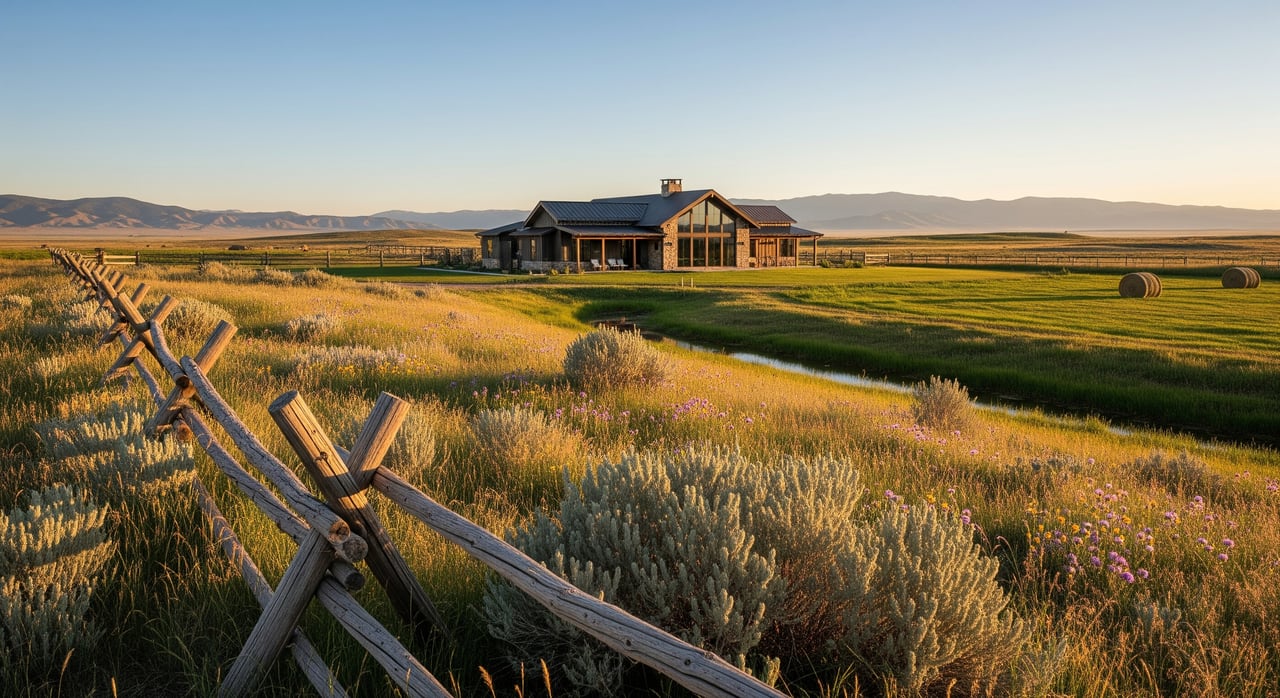
Dreaming about wide-open views and room to breathe in Colorado’s San Luis Valley? If you are considering acreage near Hooper in Alamosa County, you are smart to look closely before you buy. Rural land here can be a great fit, but the details matter, especially water, access, and septic. In this guide, you will learn the essentials a first-time acreage buyer needs to know, plus a simple due diligence checklist to move forward with confidence. Let’s dive in.
San Luis Valley snapshot
The San Luis Valley sits at high elevation in southern Colorado, so expect sunny but cold winters, a short growing season, and low annual precipitation. That high-desert climate shapes daily life and costs, from heating to snow access. Around Hooper, terrain is mostly flat to gently rolling, with irrigated fields near ditches or wells and dry rangeland where irrigation is not present.
You will see a mix of parcel types, including irrigated hay ground, small cattle operations, residential acreage with on-site well and septic, and recreational tracts. Some properties also carry conservation easements or historic agricultural leases. As you compare options, remember that water rights, buildability, access, and utilities are major drivers of value.
Water rights and irrigation
In this valley, water often sets the price and the possibilities. Colorado follows prior appropriation, which means “first in time, first in right.” Surface water, such as ditch rights, and groundwater rights are adjudicated separately. For irrigated acreage, the presence, type, and priority of water rights may be the single most valuable attribute.
If a parcel advertises irrigation, find out if it comes from a ditch company share, an adjudicated surface right, or well rights. Ditch company shares can be seasonal and tied to historic use. They also come with annual assessments and member responsibilities. Groundwater in the Rio Grande Basin is actively managed. Some wells require augmentation or are limited by administration plans.
Consider this water review as part of your offer:
- Obtain a water-rights report showing decrees, priority dates, and irrigated acres.
- Ask for historical diversion records and any ditch company assessments.
- Verify any augmentation plan obligations and administration in Division 3 (Rio Grande Basin).
Wells, permits, and water quality
Many residential and mixed-use parcels rely on on-site wells. Always verify whether a current, permitted well exists and whether the type of permit meets your intended use. Older wells may need work or may not produce the volume you expect. New wells require permits, and in some cases augmentation or additional approvals.
Water quality can vary by location in the valley. Buyers commonly test for salinity, arsenic, and nitrate prior to closing. Plan for a production test to understand yield and a quality test to understand treatment needs. A realistic well plan protects your future home, garden, or small livestock operation.
Zoning and building basics
Alamosa County’s planning and zoning rules control what you can build and where. Rural parcels may be in agricultural zones that allow residential uses with different standards. Setbacks, accessory buildings, and minimum parcel sizes can affect your layout and plans.
Before you close, confirm whether your project needs a county land-use approval in addition to a building permit. Understand the steps and timing for your home, shop, barn, or accessory dwelling. You want a clear path to permits so your schedule and budget stay on track.
Septic and site evaluations
If the parcel is not on a public system, you will need an on-site wastewater system. Counties follow public health rules for permitting. A soils and percolation evaluation is a common first step, usually by an approved designer. The results determine septic feasibility, the size of the system, and the location of the drainfield.
Poor soils can increase upfront costs or limit where you place a home. Order the site evaluation early. It will guide your building footprint and protect setbacks from wells, property lines, and waterways.
Access, easements, and roads
Confirm legal access before you fall in love with a parcel. Some properties front a public, county-maintained road. Others rely on a private road or recorded easement. If it is private, check who maintains it, whether there is a road agreement, and if there are any assessments.
Winter access is a practical issue in the San Luis Valley. Ask if the county plows the road or if neighbors handle snow removal. Factor in driveway length, culvert needs, and where drifts collect. The right planning can save you time and money during your first winter on the property.
Utilities, fuel, and internet
Electricity is often nearby but may require extending lines onto the parcel. Contact the local rural electric cooperative for service availability and cost estimates. Propane is common for heating in the valley, so consider tank placement and delivery access.
Internet and cell coverage vary by location. Fixed wireless or satellite are common solutions on remote tracts. If you work from home, confirm providers and speeds during your inspection period.
Environmental and soils factors
Wetlands, riparian areas, and floodplains can limit where you build or require permits for disturbance. If a property includes sensitive habitat, you may need to consider federal or state protections. In some parts of the valley, soils have higher salinity. That can influence crop choices and irrigation practices for small agricultural projects.
Check FEMA flood maps and consult a soils resource to understand site capability. If needed, order a wetland determination or floodplain review before you finalize plans.
Financing, taxes, and insurance
Financing for vacant rural land often looks different from a standard residential mortgage. Many lenders ask for higher down payments and shorter terms for raw land. Underwriting will consider intended use and existing improvements like a well, septic, or driveway. Agricultural buyers may explore USDA Rural Development or Farm Service Agency programs. Local banks and conventional lenders also finance rural properties, with terms that vary by use and borrower profile.
Property taxes are set by the county assessor, and special district assessments can add to annual costs. Irrigation districts and road or sanitation districts may assess fees. Confirm current taxes, any past-due amounts, and whether special district liens exist.
Insurance underwriters consider wildfire exposure, access, and response times for rural homes. If your parcel sits in a mapped floodplain, lenders may require flood insurance through the National Flood Insurance Program. Review these items early so you can budget accurately.
Beginner due diligence checklist
Use this step-by-step list during your inspection window:
- Title and ownership
- Order a title commitment and review exceptions.
- Confirm ownership, recorded easements, restrictions, and mineral rights status.
- Survey and boundaries
- Hire a licensed surveyor to confirm acreage, boundaries, and access easements.
- Water rights and irrigation
- Obtain a water-rights report, ditch share details, and any augmentation obligations.
- Review ditch assessments and historic diversion records if irrigated.
- Well and water quality
- Verify well permits and capacity with a production test.
- Order water-quality testing for salinity, arsenic, and nitrate.
- Septic and soils
- Schedule a soils and percolation evaluation with an approved designer.
- Map potential drainfield locations and setbacks.
- Flood, wetlands, and habitat
- Check FEMA flood maps and order a wetland determination if needed.
- Screen for sensitive wildlife habitat that could affect use.
- Access and roads
- Confirm legal access and winter maintenance responsibilities.
- Verify any county driveway or culvert permit needs and costs.
- Utilities and services
- Get estimates to extend electric service and confirm internet options.
- Plan for propane delivery and waste management.
- Taxes, assessments, and liens
- Review county tax records and special district assessments.
- Local rules and permits
- Confirm zoning, setbacks, and the building and septic permit process with the county.
- Advisors and specialists
- Engage a real estate attorney with rural and water experience if needed.
- Consider a water-rights specialist and consult agricultural or soils resources.
What to budget for
Your total cost includes more than the purchase price. Plan for:
- Title insurance, survey, and legal review.
- Well testing or improvements, plus any augmentation or water administration costs.
- Septic design, permitting, and installation.
- Driveway, culverts, and potential road work.
- Electric service extension and trenching.
- Propane tank and setup.
- Ditch company assessments if irrigated.
- Ongoing maintenance for roads, wells, and irrigation.
Being realistic about these items helps you compare parcels on an apples-to-apples basis.
Tips for comparing parcels around Hooper
- Front-load water. If you plan any irrigation, verify the rights before you focus on fences or views. Prior appropriation rules drive real value here.
- Map your build area. Use soils, septic, and flood data to place the home, driveway, and outbuildings early.
- Test the drive. Visit after a storm or during snow season to understand access and drainage.
- Confirm utilities before closing. Written estimates from the electric co-op and internet providers help set your budget.
- Keep your plans simple at first. Start with core improvements, then add features once you know how the property functions through a full season.
Work with a local guide
Buying acreage in the San Luis Valley is different from buying a typical in-town lot. Water rights, wells, access, and septic are the big four. With a clear plan and the right team, you can move from research to keys with confidence. If you want a second set of eyes on a parcel near Hooper or across Alamosa County, our team can walk you through the due diligence and help you line up local resources.
When you are ready, connect with the advisors at Coldwell Banker Collegiate Peaks Realty for a friendly, no-pressure conversation about your goals and next steps.
FAQs
How important are water rights in the San Luis Valley?
- Water rights often drive both price and use; for irrigated acreage, the type and priority of rights can be the most valuable attribute.
Can I drill a new well on acreage near Hooper?
- New wells require permits and may need augmentation; groundwater in the Rio Grande Basin is actively administered, so confirm feasibility before you buy.
Do I really need a survey for rural land?
- Yes; accurate boundaries and access easements are central to value and can prevent disputes after closing.
Are septic permits difficult to get in Alamosa County?
- Septic systems require soils and percolation testing; results determine system design and can influence where you place your home.
Will a bank finance vacant rural acreage?
- Many lenders will, but terms often require higher down payments and shorter amortization than standard home loans; options vary by use and improvements.
What should I ask about winter access near Hooper?
- Confirm if the road is county maintained or private, who plows it, and whether there are shared maintenance costs or assessments.