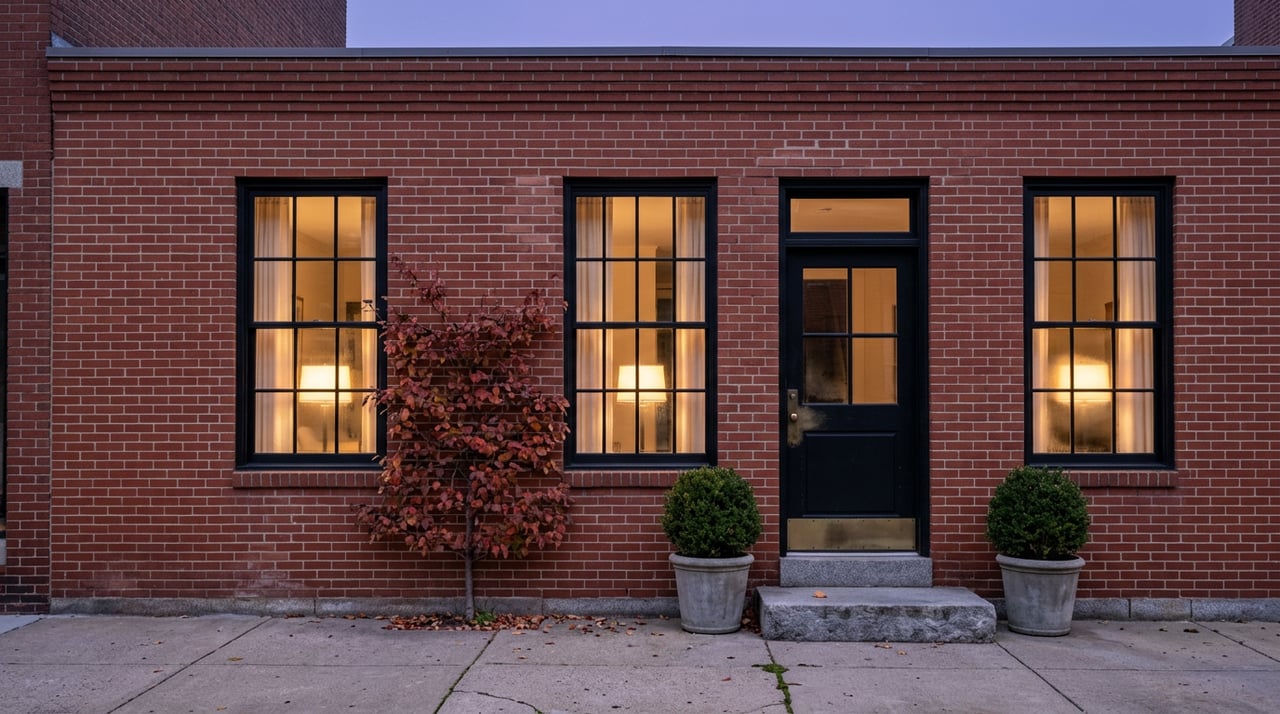
Walk down First Street past the Touber Building and you will pass two doors that offer a close-up of downtown Salida alongside its vacancy figures. Number 146 sat dark for months in 2025. Number 148, right beside it, sat quiet too. By the spring of 2026, both were lit and both were full on a Friday night.
That is not a small thing in a city of roughly 5,700 people, where every filled or empty storefront on a two-block stretch of downtown carries real weight. In a larger market, one closed bar is noise. Here, it is the whole signal.
The Night the Taps Went Quiet
The Office Bar opened as a taphouse concept from Elevation Beer Co., the Poncha Springs brewery that wanted a downtown Salida outpost for its house beers and a rotating guest list of wine, spirits and snacks. The announcement promised a space "to create a welcoming space for all to engage and imbibe," and for a while it delivered exactly that, becoming one of the more talked-about additions to First Street.
The Mountain Mail reported that Elevation closed the doors in July 2025. For the three bartenders who had built their regulars and their routines inside that space, the closure landed less like a market correction and more like a loss.
Three Bartenders Decide It Is Worth Saving
Brooke Downer, Ann Calsbeek and Sarah Smith had met while working the bar together. About two weeks after Elevation pulled out, Smith started asking whether the three of them could take it over themselves. They met with Elevation co-owner Carlin Walsh and the building's landlords, and by the fall of 2025 they had a plan to reopen The Office Bar under their own ownership, entirely run by women who had already spent years learning the room from behind it.
In its report, The Mountain Mail quoted Downer:
"We thought it deserved more of a chance."
The path back to open hours ran through Colorado's liquor licensing process, with a state hearing set for December 2, 2025, and a stretch of renovation the team called a facelift rather than a rebuild. That distinction mattered to them. The Mountain Mail quoted Calsbeek describing the goal as respecting what already worked in the space rather than erasing it:
"A lot of hard work was put into this space. It would be a shame to completely change it, yet again."
The reopening came with one real trade-off. The original layout had stretched into a neighboring unit that included a full kitchen, and when the bar consolidated back into a single address, that kitchen went with it. In its place, the new owners built a simpler bar-snack menu and started talking about bringing in food trucks on a regular schedule for the back patio, which they kept in full. Downer said Walsh told them he was proud of them.
By winter's end, The Office Bar reopened at 146 W. First St. under new, entirely local ownership, no longer a satellite of a Poncha Springs brewery but a business run by three people who live in Salida and had already spent years serving the people who walked through its door.
The Empty Storefront Next Door Didn't Stay Empty
In January 2026, The Mountain Mail reported that 148 W. First St., right beside the newly reopened Office Bar, would become Lago Trattoria, an Italian restaurant and offshoot of Shavano Restaurant, the established spot on Sackett Avenue.
Robbie Balenger, one of the owners behind both restaurants, explained the name choice: Lago comes from a town in Italy that serves as Salida's official sister city, a place many of the town's early immigrant families originally came from. It is a name pointing directly back at Salida's own history.
The Mountain Mail quoted Balenger describing the motivation for opening a second concept rather than simply growing Shavano:
"there was a way to bring more, add more to the Salida food scene"
Lago sources traditional Italian ingredients from overseas where the dish demands it, but leans on Hutchinson Ranch for its local produce and meat, keeping at least part of the supply chain inside Chaffee County. The Mountain Mail quoted Balenger describing the standard they were chasing:
"getting to nourish the community by offering fresh clean food"
Lago opened its doors in March 2026, hiring both kitchen and front-of-house staff in the process, another small hiring event on a block that had spent the better part of a year with one fewer paycheck flowing through it.
The Story Behind Two First Street Storefronts
Here is one story a vacancy figure cannot tell on its own: what replaces an empty storefront. On First Street, the next businesses were a bar bought back by the people who already worked it and a restaurant named for the town's own sister city, stocked in part from a ranch down the road.
These openings show one kind of downtown resilience. An occupancy percentage counts square feet; the story of this block also includes who owns the businesses and where they source some of their supplies. Both replacements came from people who were already invested in Salida before they signed a lease.
The timing lines up with something else happening a block over. The city's Parklet Program, running from May 21 through September 22, 2026, lets businesses on F, Sackett, First and Second street expand seating onto the sidewalk for the warmer months, the same stretch during which the city closes F Street to vehicle traffic entirely for its Summer Plaza. First Street businesses are eligible for that same sidewalk expansion, which means both The Office Bar and Lago are positioned to spill outside for the exact months when downtown draws the most walkers. A block that had one dark storefront and one empty one a year ago now has two spots that can legally seat people outdoors through peak season.
Reading Your Own Block This Way
None of this requires a real estate transaction to matter to you if you already live here. It is the difference between walking past a shuttered space every day for a year and walking past two lit windows with people at the bar and people waiting for a table. That difference is what a downtown's actual health looks like at eye level, closer to what you notice on a Tuesday errand than what shows up in a quarterly report.
The next time a storefront on your own block goes dark, the vacancy number will tell you it's empty. Who moves back in, and where their supply chain and ownership sit, adds another detail to the block's story.
If buying or selling a home anywhere along this stretch of the Arkansas River Valley ever ends up on your list, the team at Coldwell Banker Collegiate Peaks Realty has been reading these blocks street by street for years. Schedule a free consultation whenever the timing is right.
This article is general information, not legal, tax or financial advice. Consult a qualified professional about your situation.