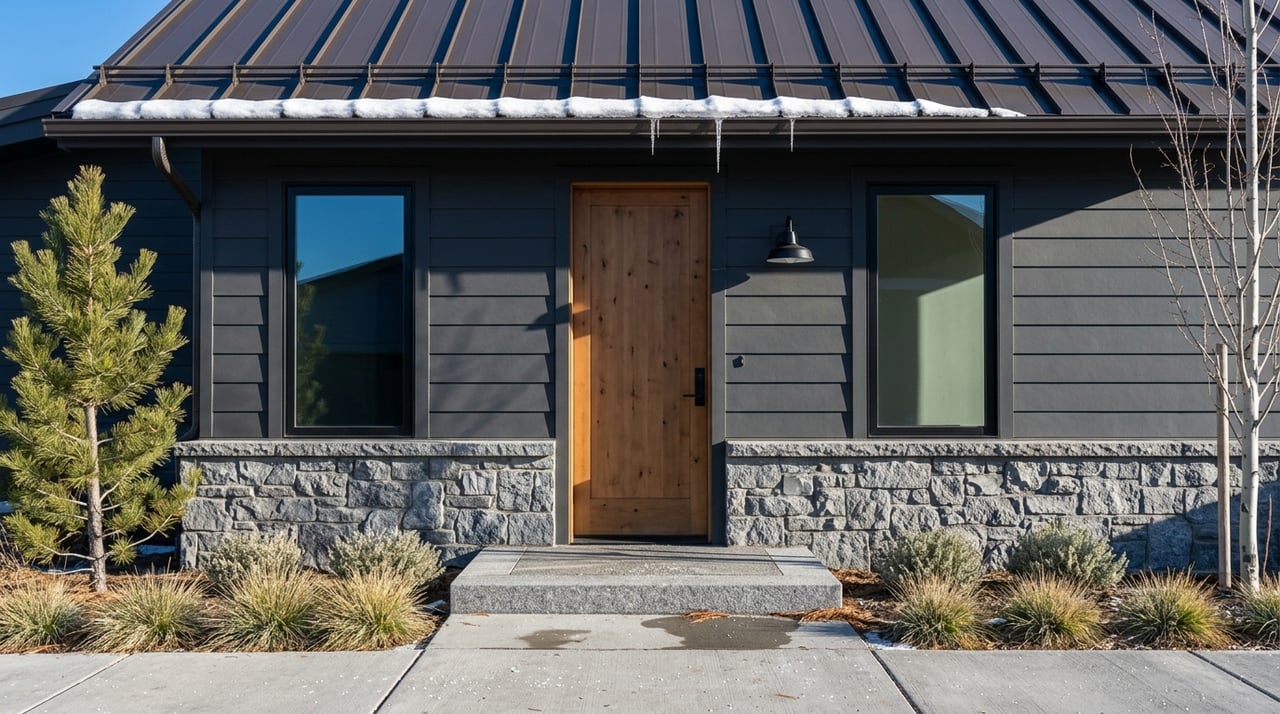
Thinking about buying a home in Leadville? At 10,152 feet, homeownership here comes with a few realities you do not want to discover after closing. If you are considering a primary home, second home, or mountain getaway, understanding how altitude, weather, snow, and local rules affect a property can help you buy with more confidence. Let’s dive in.
Why Leadville ownership is different
Leadville is not just another Colorado mountain town. The city describes its climate as alpine subarctic, with cold winters, mild summers, 278 freezing days each year, and 142.7 inches of annual snowfall. Freezing temperatures can happen in any month, and weather can change fast.
That means you should evaluate a home in Leadville as a winter-use property first. A charming exterior or updated kitchen matters, but so do heat retention, pipe protection, roof performance, and how you will access the home after a storm. In this market, practical details can have a big impact on comfort and long-term cost.
Altitude affects people and property
At about 10,000 feet, the air is thinner than many buyers expect. The CDC notes that inspired oxygen pressure at this elevation is only 69% of sea level. It also reports that about 25% of visitors sleeping above 8,000 feet in Colorado experience acute mountain sickness.
If you are buying a second home or planning to host guests, acclimation is part of the conversation. You may want to think about how often the home will be used, how quickly visitors will adjust, and whether anyone in your household has cardiopulmonary conditions or sleep apnea that could make high-altitude living harder.
The climate also puts more pressure on the house itself. Cold, low humidity, strong UV exposure, and repeated freeze-thaw cycles can all affect materials and maintenance. That is one reason buyers in Leadville need to look beyond finishes and focus on how well a home is built, insulated, and protected.
Focus on heating and insulation first
In a place with long winters and frequent freezing weather, heating performance is not a side issue. It is one of the first things you should understand during a showing. Ask what type of heating system is installed, how old it is, and when it was last serviced.
The U.S. Department of Energy recommends insulating a home from the roof down to the foundation and air sealing around windows, doors, plumbing penetrations, and ducts. In practical terms, that means you should pay close attention to attic insulation, crawlspaces, drafts, and whether mechanical systems sit in protected, conditioned areas.
If attic insulation is below about R-30, DOE says that may suggest room for improvement. That does not automatically make a home a poor choice, but it may mean you should budget for upgrades. In Leadville, stronger insulation and tighter air sealing can make a noticeable difference in comfort and heating costs.
What to look for during a showing
- The age and service history of the furnace or heating system
- Signs of drafts near doors and windows
- Insulation levels in attic, walls, and crawlspace if visible
- Whether ducts or pipes run through very cold, unconditioned spaces
- Whether the home feels evenly heated from room to room
Windows matter more than many buyers expect
Windows can be a weak point in a cold mountain climate. Older or poorly sealed windows may allow heat loss, drafts, and UV exposure that can affect comfort and interior finishes over time.
DOE notes that storm windows can reduce heating and cooling costs by 12% to 33%, depending on the existing window. It also says cellular shades can reduce heat loss through windows by 40% or more. Low-e options, insulating shades, and protective films can all be useful features in a high-altitude setting.
When touring a Leadville home, ask whether the windows are single-pane, upgraded, or paired with storm windows. Also look at sun exposure and room orientation. Stronger mountain sun can be a benefit in winter, but it can also increase glare and fading if a home is not well protected.
Pipes and winter shutdown plans are essential
In Leadville, plumbing deserves close attention. DOE warns that uninsulated water pipes near exterior walls can burst in freezing weather, especially when exposed to very cold air. It also recommends keeping cooler parts of the home insulated and above 50°F to help prevent freezing.
This matters in any Leadville property, but it matters even more if you are buying a part-time or seasonal home. You will want to know where pipes are located, whether crawlspaces are insulated, and what winter shutdown procedures are used when the home is vacant.
If a seller uses the property seasonally, ask for a clear explanation of how water, heat, and maintenance are handled during cold periods. A good setup can reduce risk. A vague answer is a signal to dig deeper during inspections.
Roofs and snow loads should be a top concern
Leadville’s snow is not just a scenic backdrop. It is a structural issue. The city’s official snow-load chart shows design snow loads of 85 psf in Jacktown, 90 psf in the Lower West Side, 95 psf in the Upper East Side, and 100 psf in Chicken Hill, with a minimum snow load of 40 psf.
That makes roof design, condition, and maintenance especially important. During a showing, ask about roof age, roof pitch, repair history, and whether the home has had ice dam issues, sagging, or repeated winter problems.
Snow storage and access matter too. The city asks residents to remove parked vehicles from streets during heavy snowfall so plowing can work more effectively. For you as a buyer, that means driveway layout, garage space, parking, and realistic snow removal plans are part of the ownership picture.
Leadville snow questions to ask
- How old is the roof, and when was it last inspected or replaced?
- Has the property had ice dams or recurring roof repairs?
- Where will snow be piled on the lot?
- Is there enough off-street parking during winter storms?
- How easy is it to reach the home and garage after heavy snowfall?
Historic district rules can shape future plans
Leadville’s historic character is a major part of its appeal, but it can also affect what you can change after purchase. The city says a Certificate of Appropriateness is required for many exterior projects within the Historic District. That can include changing windows or exterior doors, modifying porches, changing roof materials, changing siding, building additions, or demolishing part of a structure.
Interior remodels do not require a Certificate of Appropriateness, according to the city, but they may still require building permits. Lake County also administers building, plumbing, mechanical, roofing, and solar permits for both the county and the City of Leadville, and roofing permits are required in both places.
If you are looking at an older home and imagining future updates, do not stop at design ideas. Ask whether past exterior changes were approved and whether your future plans might trigger local review. In some cases, permit history matters as much as the finishes you see today.
Inspections should be thorough and mountain-specific
The Colorado Division of Real Estate says a home inspection is highly recommended and should cover major components like the roof, furnace, and plumbing. It also notes that additional inspections, such as a sewer scope or structural engineering review, may be needed.
In Leadville, that guidance is especially important. Snow, age, and freeze-thaw cycles can hide issues that are easy to miss during a quick showing. A solid inspection strategy can help you understand not just current condition, but also how the property is likely to perform through winter.
A mountain-focused approach may include extra questions about roof structure, crawlspaces, insulation, air sealing, plumbing exposure, and drainage. For some homes, additional due diligence can be money well spent.
Radon belongs on every buyer checklist
Radon is an important consideration in Leadville and across Colorado. The Colorado Department of Public Health and Environment says radon is the second leading cause of lung cancer and that about half of Colorado homes test above the EPA action level.
Buyers are encouraged to test during the inspection period. In Leadville, Lake County Public Health Agency offers free radon test kits, and the county notes that radon can enter through basement walls and slabs, cracks, crawlspaces, sump openings, and even well water.
If the seller has already tested, ask for the results and whether mitigation was installed. If not, consider testing during your due diligence window so you can make a more informed decision.
Septic and transfer requirements can be easy to miss
Not every property will be connected to municipal sewer. If a home uses an on-site wastewater system, Lake County requires a Transfer of Title use permit before the sale or transfer of title.
That requirement is easy to overlook, especially for out-of-area buyers focused on views, layout, or location. If a property is on septic, make sure you understand what documentation and timing may be needed as part of the transaction.
A simple Leadville buyer checklist
Before you move forward on a Leadville home, make sure you can answer these questions clearly:
- How well is the home insulated and air sealed?
- What type of heating system is in place, and how old is it?
- Are the windows built for cold weather and strong sun exposure?
- Are pipes protected from freezing?
- What is the roof condition, and how does it handle local snow loads?
- How will winter access, parking, and snow removal work?
- Is the home in the Historic District, and were exterior changes approved?
- Has the home been tested for radon?
- If the property is on septic, is a Transfer of Title use permit required?
Buy with the mountain climate in mind
Buying in Leadville can be incredibly rewarding, but the smartest purchases start with the realities of life at 10,000 feet. When you understand how altitude, winter weather, snow loads, historic review, and inspection details affect ownership, you can make a better decision and avoid unpleasant surprises later.
A well-chosen Leadville home can support the lifestyle you want, whether you are moving full-time or buying a second home in the mountains. The key is looking past surface-level appeal and making sure the property is ready for the conditions that come with this one-of-a-kind location.
If you are exploring homes in Leadville or other nearby mountain communities, Coldwell Banker Collegiate Peaks Realty can help you evaluate properties with local insight and a practical, buyer-first approach.
FAQs
What makes buying a home in Leadville different from buying in lower elevations?
- Leadville sits at 10,152 feet and has 278 freezing days per year, heavy snowfall, and fast-changing weather, so buyers should pay close attention to heating, insulation, plumbing, roof performance, and winter access.
What should Leadville buyers check about a home’s heating system?
- You should ask what heating system is installed, how old it is, when it was last serviced, and whether the home has strong insulation and air sealing to support efficient winter performance.
Why are roofs such an important issue for Leadville homes?
- Leadville has high design snow loads that vary by area, so roof age, structure, pitch, repair history, and any signs of ice dams or sagging deserve careful review.
Do Leadville buyers need to think about radon during inspections?
- Yes. Colorado encourages radon testing during the inspection process, and CDPHE says about half of Colorado homes test above the action level.
How do historic district rules affect Leadville homebuyers?
- If a property is in the Historic District, many exterior changes such as windows, doors, porches, siding, roofing materials, and additions may require a Certificate of Appropriateness, along with any required permits.
What should second-home buyers ask about winterizing a Leadville property?
- You should ask how water, heat, and plumbing are managed when the home is vacant, whether pipes are protected from freezing, and how snow removal, parking, and access are handled during winter storms.