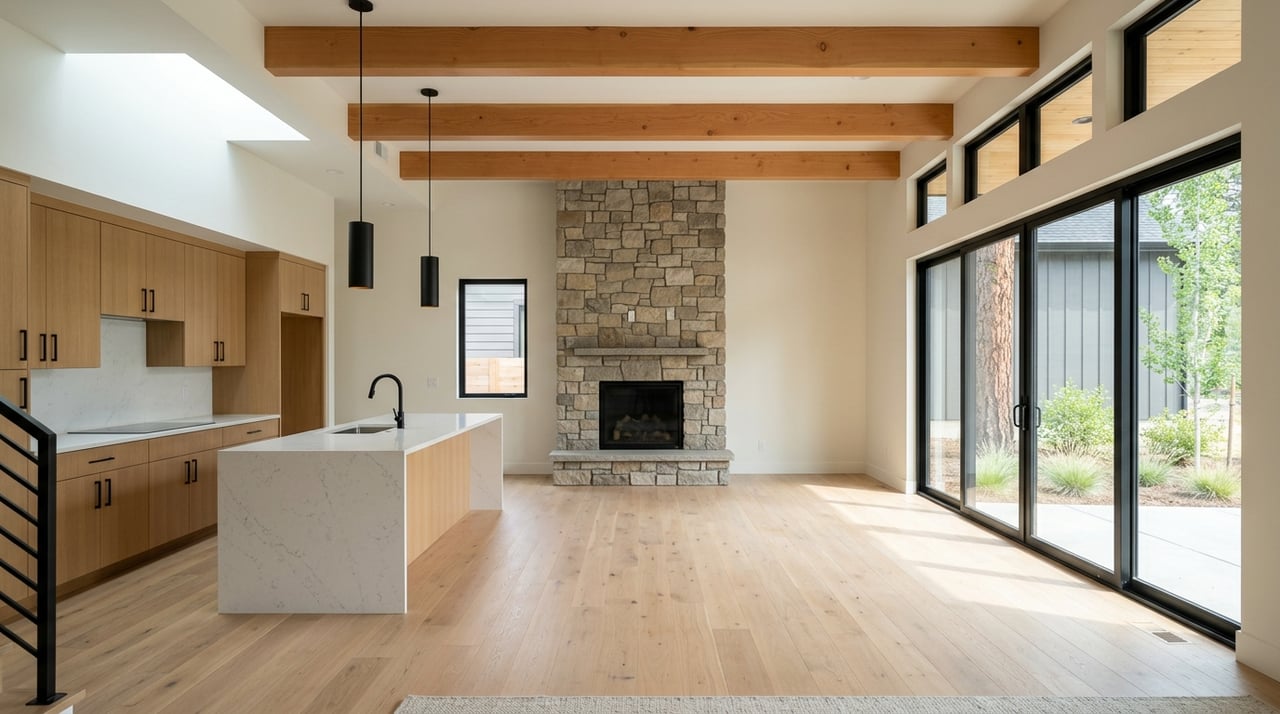
Thinking about buying a brand-new home in Poncha Springs? New construction can be exciting, but it usually involves more moving parts than buying a resale home. If you understand the local process, fees, and approval steps upfront, you can make smarter decisions and avoid surprises later. Let’s walk through it step by step.
Start With Your Goals and Budget
Before you tour a model home or reserve a lot, get clear on what you want from new construction in Poncha Springs. You may be looking for a primary home, a second home, or an investment property, but your timeline, budget, and tolerance for delays all matter.
In Poncha Springs, budgeting for a new build means looking beyond the base price. Local costs can include building and utility fees, sewer-related charges paid to Salida Utilities, and a 2 percent use tax on building materials. Asking about these costs early can help you compare homes more accurately.
Choose Representation Early
In Colorado, you are not required to use a real estate broker, but the state recommends working with one. If you choose representation, your relationship should be defined in writing, and Colorado requires brokerage disclosures at the earliest reasonable opportunity and before confidential information is shared.
Colorado also offers different brokerage relationships, including buyer agency and transaction-brokerage. Dual agency is not allowed. That makes it especially important to understand who represents whom when you are speaking with a builder, on-site sales staff, or a local broker.
Get Financing Lined Up
If you plan to finance your purchase, shop lenders and compare options before you commit. You do not have to use a builder’s preferred lender, even if the builder offers incentives.
For homes that are not yet complete, a builder may ask for earnest money or an upfront deposit. Before you sign, ask when that deposit becomes nonrefundable, what happens if financing falls through, and whether your contract includes financing and inspection contingencies.
Understand Why Poncha Springs Is Different
New construction in Poncha Springs is shaped by active local planning and review, not just builder timelines. The town’s comprehensive planning framework focuses on future growth, utilities, services, infill, compact development, and preserving small-town character.
That matters because your home may be affected by more than floor plans and finish selections. Site design, drainage, fire access, floodplain issues, hillside conditions, and utility layout can all influence timing, cost, and final approval.
Watch Local Review Timelines
The Poncha Springs Planning & Zoning Commission meets on the second Tuesday of each month at 6:30 p.m. If a project needs local review or a builder is waiting on approvals, that meeting schedule can affect your timeline.
In other words, a builder’s estimated completion date may depend on town review cycles as well as weather, labor, and materials. It is wise to ask what approvals are already complete and what is still pending.
Review the Lot Carefully
A new home is only as strong as the site it sits on. In Poncha Springs, some of the most important buyer watch-outs include lot grading, drainage, utility easements, wildfire defensible space, and emergency vehicle access.
The town’s code and support documents specifically reference fire mitigation, floodplain standards, hillside development, and flood or geologic hazard review. That means the lot itself deserves just as much attention as the home design.
Questions to Ask About the Lot
- Are there utility or access easements on the property?
- How will drainage move away from the foundation?
- Is the lot affected by floodplain limits or hillside rules?
- What fire access and water supply requirements apply?
- Who is responsible for grading, driveway surfacing, and exterior site work?
These questions can help you spot issues that are easy to miss during a quick showing.
Know What the Permit Packet Includes
Buying new construction in Poncha Springs usually means the project must pass through a more detailed permit path than a resale home. The town’s building permit coversheet calls for items such as the Chaffee County application, a warranty deed, site plans, architectural and structural drawings, town building and utility fees, proof that Salida sewer has been paid, use tax payment, and a signed cost breakdown.
Town code says a building permit will not be issued until all required construction drawings, applications, and permit fees are submitted and approved. In some cases, a footing and foundation permit may be issued earlier with approval, but that does not mean the full project is cleared for completion.
Site Plan Details Matter
Poncha Springs requires detailed site-plan materials. These may need to show setbacks, easements, utility and sewer lines, driveways, parking, drainage away from the foundation, erosion control, floodplain limits, and well or septic details where applicable.
The building official can also require more information when floodplain or geologic hazards are involved. For buyers, that means delays are not always a red flag. Sometimes they reflect the town’s review of legitimate site conditions.
Fire Review Is Part of the Process
Poncha Springs combines site-plan review and building review into one submission for many projects, and the fire district requires a fire access and water supply plan as part of the town packet. This is one reason new construction often takes longer than resale.
A resale purchase usually does not involve front-end land-use and fire review. A new build often does, and that can affect your move-in date.
Confirm Utilities and Fees in Writing
One of the most practical steps in a Poncha Springs new-build purchase is confirming exactly what is included in the price. Sewer service is provided by the City of Salida, and tap fees and service fees are paid to Salida Utilities.
That makes sewer a key budget question. You should also ask whether water and utility hookups are included, what town fees apply, and whether any site-related costs will be billed later.
Costs to Clarify Early
- Sewer tap fees and service-related charges
- Water and utility hookup costs
- Town building and utility fees
- The 2 percent use tax on building materials
- Any HOA or owner-association assessments, if applicable
Getting these answers early can help you avoid a budget gap near closing.
Track the Construction Timeline
A new construction purchase usually follows a longer path than a traditional resale. In Poncha Springs, the sequence often includes design review, permit approval, fire review, inspections, and finally a certificate of occupancy before move-in.
This matters because “substantially complete” is not the same as ready to occupy. A home may look finished but still need final approvals.
Schedule Independent Inspections
Even with a new home, an independent inspection is still important. Buyers should arrange a home inspection as soon as possible and, when possible, attend it.
An inspection contingency can be valuable if your contract allows it. It may give you room to negotiate repairs or cancel the contract without penalty, depending on the contract terms and deadlines.
Stay Aware of Deadlines
Colorado emphasizes inspection contingencies and deadline awareness. With new construction, that means you should know when inspections happen, when objections are due, and how punch-list items will be handled.
Do not assume the builder’s internal quality checks replace your own due diligence. A careful review can help you address issues before closing instead of after move-in.
Understand Occupancy Rules
In Poncha Springs, final inspection is required before a temporary certificate of occupancy or certificate of occupancy can be issued. No one should occupy the home before occupancy approval unless the town specifically allows it.
That is an important local rule. If your lease is ending or you are coordinating a move from out of town, build in some cushion in case final approval takes longer than expected.
Common Pre-Occupancy Items
The town’s permit materials list several items that may need to be completed before occupancy approval, including:
- Road-cut repair
- Sidewalk or other public-infrastructure repair
- Exterior finishes
- Driveway surfacing
- Final grading and drainage
- Lighting
- A street-side tree
These are easy details to overlook, but they can affect whether you can move in on time.
Review the Builder Warranty
A new home warranty can offer peace of mind, but you should still read it carefully. Builder warranties for new homes often cover workmanship and materials for one year, systems such as HVAC, plumbing, and electrical for two years, and sometimes major structural defects for up to 10 years.
Coverage varies by builder, and a builder warranty is not the same thing as a paid home warranty or service contract. Ask how claims must be submitted, whether they must be made in writing, and whether the warranty uses mediation or arbitration.
Keep Your Final Walk-Through Focused
Before closing, use your final walk-through to confirm that agreed-upon items are complete and that the home matches the contract and change orders. This is also a good time to verify site conditions, drainage, exterior work, and any remaining punch-list items.
If the property is part of an HOA or another common-interest community, review the owner-association obligations and assessments as part of your final due diligence. Ongoing costs matter just as much as closing costs.
Why Local Guidance Helps
Buying new construction in Poncha Springs can be rewarding, but it is rarely simple. Between town review, fire access requirements, utility questions, use tax, inspections, and occupancy rules, there are more details to manage than many buyers expect.
Having local guidance can help you ask sharper questions, spot issues earlier, and move through the process with more confidence. If you are considering a new build in Poncha Springs, Coldwell Banker Collegiate Peaks Realty can help you evaluate options, understand the local process, and plan your next step.
FAQs
What makes buying new construction in Poncha Springs different from buying a resale home?
- New construction in Poncha Springs may involve site-plan review, permit approval, fire access review, inspections, and occupancy approval before move-in, which usually makes the process more complex than a standard resale purchase.
What fees should you ask about when buying a new build in Poncha Springs?
- Ask about sewer tap fees, Salida Utilities charges, water and utility hookups, town building and utility fees, the 2 percent use tax on building materials, and any HOA or owner-association assessments.
Can you use your own lender for a new construction home in Colorado?
- Yes. You can shop multiple lenders and you do not have to use a builder’s preferred lender.
When can you move into a newly built home in Poncha Springs?
- You should not move in until the town issues a temporary certificate of occupancy or certificate of occupancy, following final inspection and any other required approvals.
Should you get an independent inspection on a new construction home in Poncha Springs?
- Yes. An independent inspection can help identify issues before closing, and an inspection contingency may give you options if the contract allows it.
What lot issues should you review before buying new construction in Poncha Springs?
- Pay close attention to grading, drainage, easements, wildfire defensible space, floodplain or hillside conditions, utility layout, and emergency vehicle access.