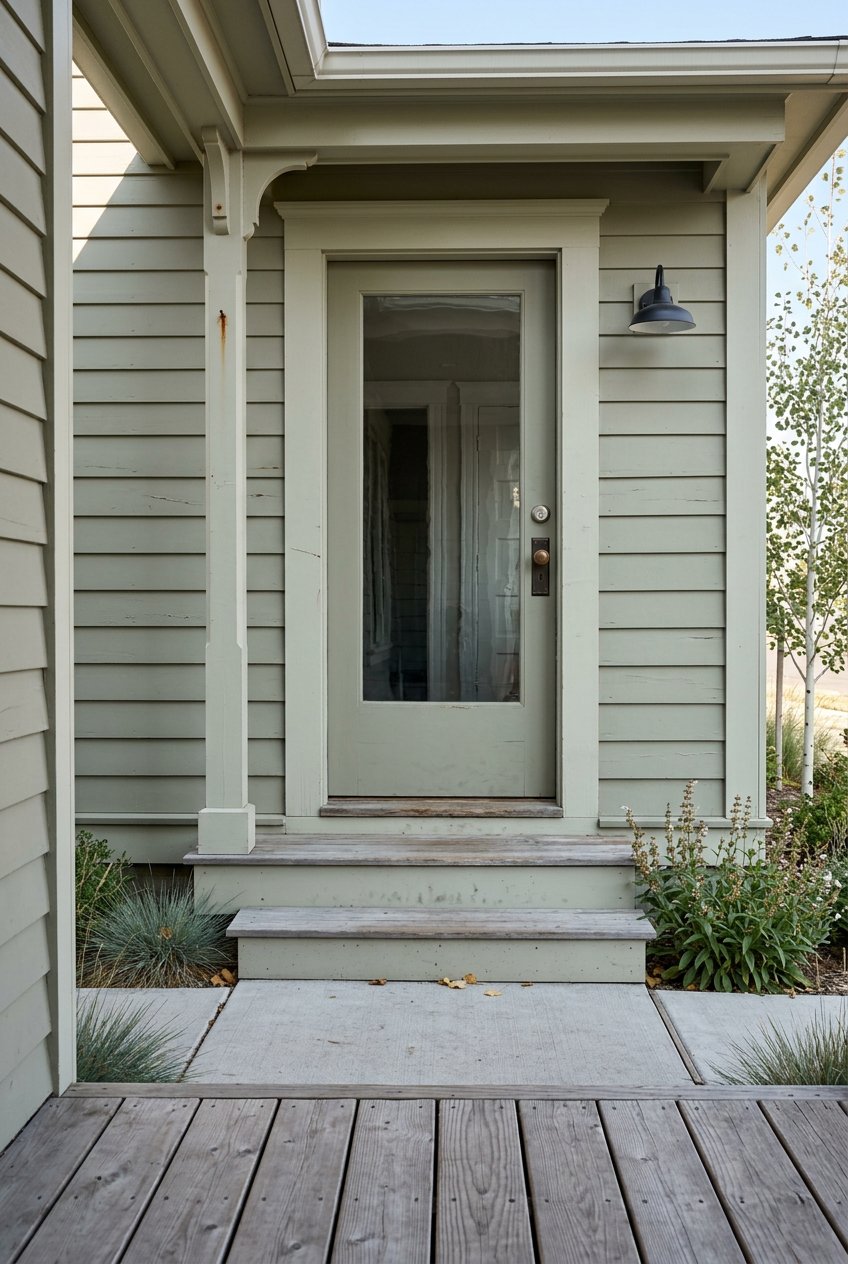
Picture yourself sipping coffee on a gingerbread-trim porch as morning light hits Leadville’s Victorian rooftops. If that image pulls at you, you are not alone. Historic homes here offer rare character and a deep connection to Colorado mining history, but they also ask for thoughtful planning. In this guide, you will learn the real benefits, likely tradeoffs, and practical steps to buy and care for a Leadville historic home with confidence. Let’s dive in.
Leadville’s historic homes at a glance
Leadville’s downtown and surrounding mining area form the Leadville Historic District, a National Historic Landmark recognized for late 19th-century architecture and streetscapes that still read as a mining-era town core. You will see intact commercial blocks along Harrison Avenue and compact residential streets lined with porches and steep roofs. The National Register nomination details the district’s character, styles, and boundaries. You can explore that official documentation through the National Park Service’s Leadville Historic District listing and the city’s overview of local history and heritage.
Architecture and layout
Most homes reflect late Victorian styles like Queen Anne, Carpenter Gothic, Eastlake, and Italianate, along with vernacular miners’ cottages. Character often shows up in turned-wood porch details, decorative shingles, tall windows, and locally typical masonry chimneys. Many lots are narrow, and original floor plans can include smaller, compartmentalized rooms with tall ceilings in principal spaces. Those features add charm but can make rerouting modern HVAC or plumbing more complex without careful planning.
Mountain climate realities
At roughly 10,150 feet, Leadville is one of the highest incorporated cities in the country. Winters are long and cold, with frequent freeze days and heavy seasonal snow that commonly ranges from about 100 to 150 inches. Roof design, drainage, and building-envelope performance matter more here than in lower-elevation towns. You can find regional climate context through the Forest Service’s Leadville Ranger District overview.
Benefits you will enjoy
Daily character and culture
Owning a historic home in Leadville gives you everyday beauty: porch time, intricate woodwork, and a human-scale street grid that invites walking. The museum network and heritage sites create a culturally rich backdrop for daily life. City resources highlight the heritage assets that make the district special, including preserved homes and local institutions described in the city’s history page.
Access to preservation incentives
If a property is income producing (for example, a qualifying rental or mixed-use building), you may be able to use the federal historic rehabilitation tax credit, which offers a 20 percent credit for certified work that meets review standards. Learn the basics through this summary of the federal historic rehabilitation tax incentive. Colorado also supports preservation through the State Historical Fund. History Colorado regularly announces awards and rounds, which can include planning or construction grants. See a recent funding update from History Colorado’s State Historical Fund to understand scope, timing, and priorities.
Tradeoffs to plan for
Historic-home living in a high alpine climate is rewarding, but it is not set-and-forget. You will want to budget time and funds for specialized maintenance, verify environmental history, and understand local design review before you plan exterior projects.
Maintenance musts in a high-mountain climate
- Roofs, gutters, and drainage: Snow loads and freeze–thaw cycles make roofs and water management top priorities. Many historic roofs can be repaired, and when replacement is needed, preservation guidance favors materials and appearances that match the original character. The National Park Service shares practical tips for balancing efficiency and preservation in its guidance on historic buildings.
- Masonry and mortar: Historic brick and stone often used softer, lime-rich mortars. Repointing with overly hard modern mortars can accelerate spalling in freeze–thaw conditions, so ask for compatible materials and experienced trades.
- Windows and porches: Original sash and trim are character defining. NPS guidance often recommends repair, weather-stripping, and the use of storm windows to improve comfort while preserving appearance rather than wholesale replacement. See energy and envelope strategies in the same NPS resource.
- Foundations and drainage: Historic, relatively shallow foundations and alpine soils can combine with freeze cycles to cause settlement or moisture intrusion. Use a home inspector familiar with older structures and follow with specialty evaluations if anything flags.
- Mechanical, plumbing, and electrical: Legacy systems like older boilers, galvanized plumbing, or outdated wiring are common in older homes. Plan for safety upgrades to meet code and insurance needs.
Environmental and site history
Leadville’s mining legacy is a point of pride and an environmental reality. The California Gulch area is an EPA Superfund site that has been remediated in phases over many years. Some residential parcels have completed cleanup while others remain under long-term monitoring. Before you buy, review the EPA California Gulch site profile and check local records for parcel status. Lake County also encourages radon testing due to Colorado’s geology. Learn about kits and mitigation on the county’s Radon Outreach page. Local sampling projects have detected minor PFAS signals in some water samples in the region. It is smart to review the latest water-quality reports from your provider during due diligence.
Permitting and design review
Leadville has a Historic Preservation Commission that reviews many exterior changes in the district. Roof material changes, window or siding replacements, porch alterations, additions, and new construction typically require either administrative approval or a Commission review before a building permit is issued. Interior work usually does not require a Certificate of Appropriateness, but building permits may still apply. Get process details from the city’s Historic Preservation Commission page. Also note the difference between National Register designation and local controls. National Register listing is honorific and enables certain incentives, but local ordinances are what regulate exterior changes. You can confirm the district’s federal status through the NPS Leadville Historic District record and verify local requirements with the city.
Smart modernization and energy
You can improve comfort and efficiency without losing historic character. The NPS recommends starting with the least invasive measures: air sealing, attic insulation, weather-stripping, and interior or exterior storm windows. Larger changes that affect exteriors will likely require local review. If you are considering heat pumps, know that modern cold-climate units can work in many mountain settings, but high altitude and very low temperatures can reduce capacity. Careful equipment selection and installer experience at elevation are key. See a Colorado-focused collaboration on mountain performance in this Xcel Energy and NREL study summary.
Financing and insurance basics
For qualifying income-producing properties, the 20 percent federal historic rehabilitation tax credit can significantly improve project feasibility if you complete the required reviews. Review the program overview here: federal historic rehabilitation tax incentive. Colorado’s State Historical Fund also supports eligible preservation projects through competitive grants, as noted in recent award announcements. For purchase plus renovation, some lenders offer renovation-friendly mortgages that allow you to finance upgrades. Because older materials and systems can affect insurance underwriting and appraisals, obtain quotes and lender guidance early so your budget reflects real-world conditions.
Buyer checklist: first 10 steps
- Confirm whether the property sits in the local historic district and ask the seller for any prior Certificates of Appropriateness and alteration records. Use the NPS district record for context and verify local status with the city.
- Order a home inspection with an older-home specialist. Focus on structure, roof, foundation, drainage, chimney, and all mechanical systems.
- If indicated by history or proximity to former mine sites, consult the EPA California Gulch site profile and local records for parcel-specific remediation status.
- Test for radon and plan for mitigation if results exceed EPA action levels. The county’s Radon Outreach program is a good starting point.
- Ask for system details: age and type of heating, electrical service and grounding, any knob-and-tube or cloth-insulated wiring, water supply, sewer or septic.
- Evaluate roof condition and drainage. Budget for snow management, ice-dam prevention, and timely gutter repairs.
- Plan window and porch care. Consider repair and storms first to preserve character and improve comfort, guided by NPS best practices.
- Discuss any exterior changes with the city’s Historic Preservation Commission early to understand thresholds, submittals, and timelines.
- If your project could be income producing or large in scope, explore the federal rehabilitation tax credit and monitor State Historical Fund opportunities.
- Consult local contractors and trades with mountain and preservation experience. Request schedules that account for weather and cure times at high altitude.
What this means for you
Choosing a historic home in Leadville is an experiential decision. You get beauty and place-based living in a nationally significant district, balanced with the responsibility to maintain and modernize carefully in a high-alpine climate. With clear due diligence and the right team, you can navigate rules, manage maintenance, and enjoy the unique character that drew you here in the first place.
Ready to explore historic homes in and around Leadville or map out a renovation plan before you buy? Connect with our local team at Coldwell Banker Collegiate Peaks Realty to learn the nuances, align your budget and timeline, and schedule a Free Consultation.
FAQs
What does Leadville’s Historic Preservation Commission review?
- Many exterior changes in the district (like roof material changes, windows, siding, porches, additions, and new construction) require administrative approval or a Commission review before permits. Start with the city’s Historic Preservation Commission page for process details.
Does National Register listing restrict what I can do?
- National Register or National Historic Landmark status is honorific and can open incentives, but local ordinances control exterior changes on private property. Confirm both the federal listing and the property’s local designation and rules before planning work.
How do I check environmental cleanup status for a property?
- Review the EPA’s California Gulch Superfund profile for site history and operable units, then confirm parcel-specific records with local authorities to learn whether a given lot has been remediated or is under monitoring.
What are smart first steps for energy efficiency?
- Begin with air sealing, attic insulation, and weather-stripping, then add interior or exterior storm windows. Larger exterior changes often require historic review, so plan ahead and consult local guidelines.
Will a heat pump work at 10,150 feet?
- Many cold-climate heat pumps can perform in mountain conditions, but high altitude and very low temperatures can reduce capacity. Choose equipment rated for cold climates and work with an installer experienced at elevation.