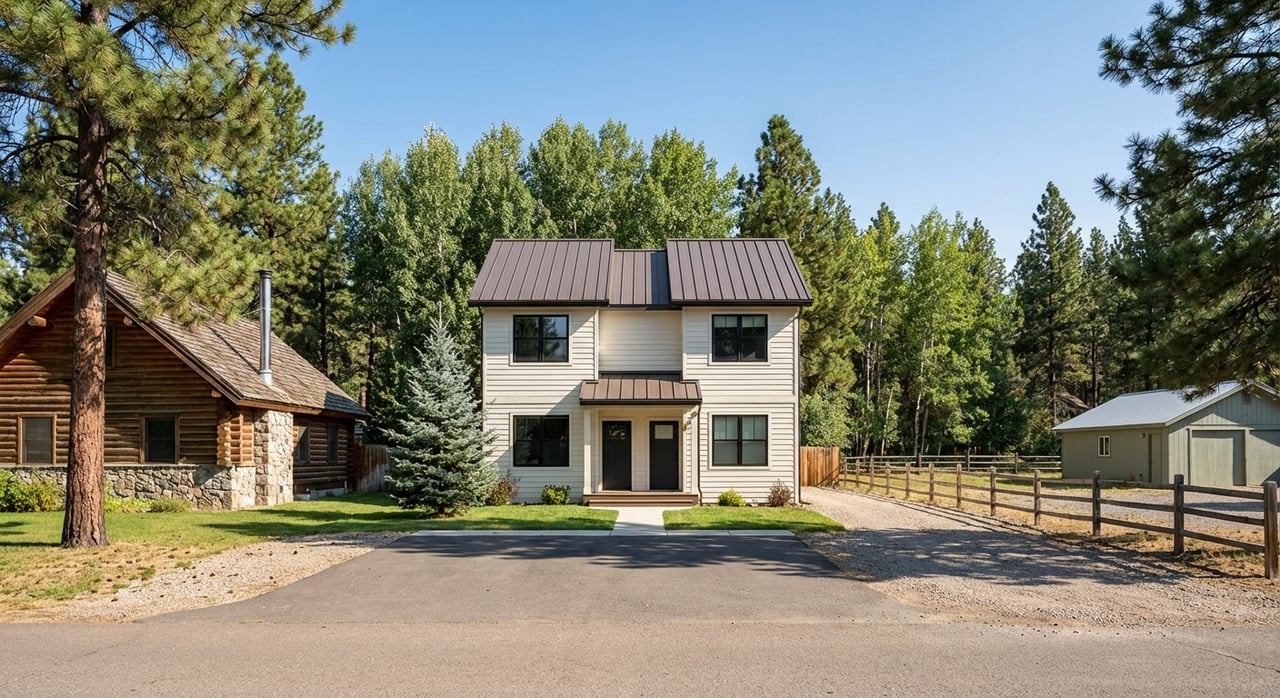
Dreaming of a mountain home in Nathrop but not sure whether a cozy cabin, low‑maintenance condo, small‑acreage build, or a larger ranch fits you best? You have great options here, and each choice comes with a different lifestyle, upkeep profile, and budget range. In this guide, you’ll compare the main home types in Nathrop so you can match your priorities to the right property. You’ll also get a clear checklist of local items to verify before you write an offer. Let’s dive in.
Nathrop living at a glance
Nathrop is a small, unincorporated community in Chaffee County between Buena Vista and Salida along US‑285. It sits at a high elevation and offers quick access to outdoor recreation. You can reach trails, river access, and alpine terrain within minutes, with major draws that include Mount Princeton Hot Springs and Browns Canyon on the Arkansas River. Learn more about the area’s setting from the overview on Nathrop, Colorado and the local activities at Mount Princeton Hot Springs.
Market snapshots for Nathrop often vary because the area is small and many properties are unique. Public dashboards can show different medians or modeled values. Always confirm recent sold data and inventory with a local agent who can pull current MLS figures.
Mountain cabins overview
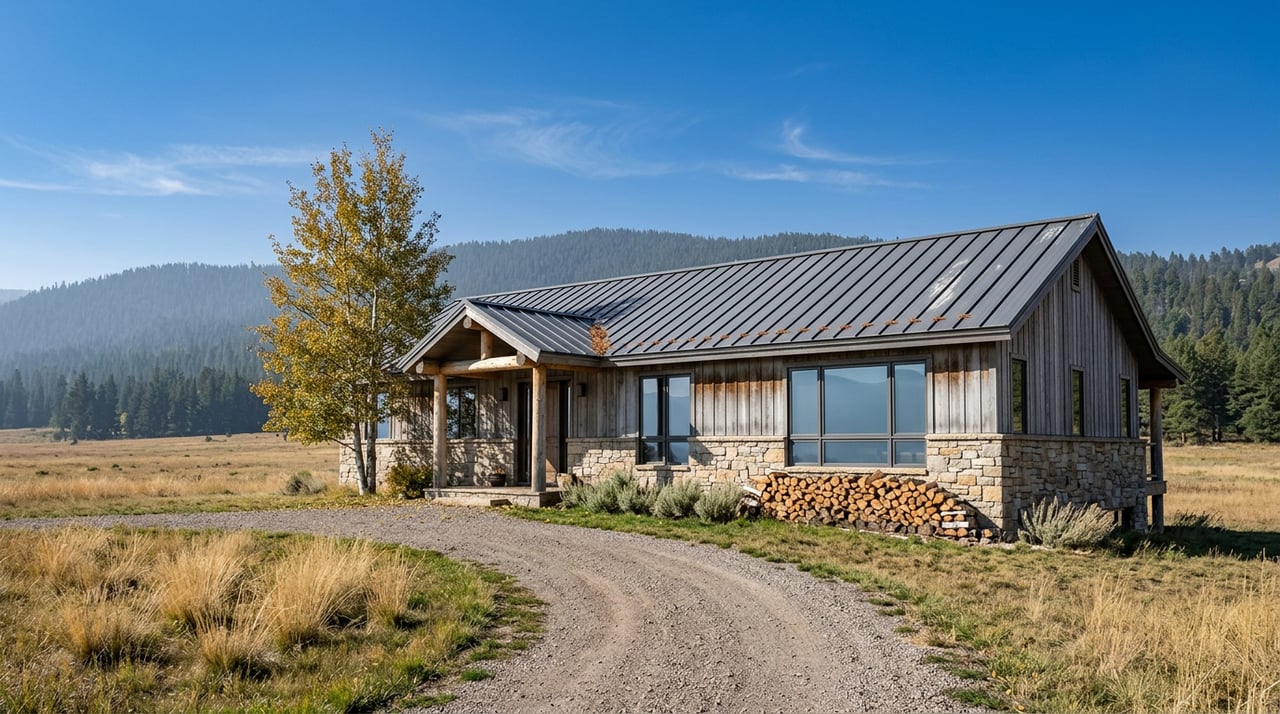
Cabins cluster along Chalk Creek and near historic St. Elmo. Many are log or wood homes set on 1 to 10 or more acres. The vibe is recreational and quiet, with hiking, fishing, snowmobiling, and jeep routes nearby.
Cabin utilities and upkeep
Most cabins rely on a private well and a septic system. Ask for the well permit number, well log, and any pump test, and confirm septic permits, inspections, and as‑builts through Chaffee County’s Building and Environmental Health office. You can review local septic permit and inspection basics through the county’s Building Department resources and get background on Colorado groundwater through the Colorado Geological Survey.
Winter access and maintenance matter too. Some cabins sit on roads that are not plowed by the county. Confirm who maintains the road and whether snow removal is arranged.
Cabin pricing basics
Cabins commonly range from the mid‑hundreds into the upper hundreds of thousands, and well‑updated or creek‑proximate cabins can reach the 600 thousand to 900 thousand range. Final price depends on acreage, water frontage, finishes, and access. Because inventory is limited and many cabins are one‑of‑a‑kind, verify current pricing with your agent.
Cabin buyer tips
- Confirm year‑round access and who maintains snow removal.
- Request the well permit number, well log, and a recent pump test.
- Get a licensed septic inspection and the as‑built plan from the county.
- Check wildfire risk and prior mitigation work using the county’s CWPP resources.
Small subdivisions overview
If you want a balance of privacy and convenience, look at small planned subdivisions with 2 to 5 or more acre lots. These often have covenants and modest HOAs that maintain internal roads. A local example is Centerville Ranch, where buildable lots offer trail access and open‑space amenities. You can see an example listing context on Coldwell Banker.
Subdivision lifestyle and services
These properties tend to work well for full‑time living. HOAs may cover road maintenance and snow removal, which is helpful in winter. Utilities still often include a private well and septic unless a community system is in place, so verify what is stubbed to the lot line and what you must build.
Subdivision pricing basics
Vacant lots in desirable subdivisions have recently been marketed in the low to mid hundreds of thousands for 2 to 4 acre parcels. Completed homes trade higher and vary with design, views, and proximity to amenities.
Lot buyer tips
- Review HOA covenants, fee schedules, and road agreements.
- Confirm building envelopes, setbacks, and utility locations.
- Ask about short‑term rental permissions and county licensing rules. You can review updates in the county’s Land Use Code.
Condos and park models overview
Nathrop’s most visible condo and park‑model option is Chateau Chaparral, set along the Arkansas River with a private footbridge to Browns Canyon. Expect small footprints, shared amenities, and some of the lowest maintenance in the valley. These are popular for weekenders and buyers who want straightforward river access.
Condo lifestyle and costs
HOAs commonly include water, sewer, trash, and road maintenance. That keeps upkeep simple compared to larger homes. Unit and lot prices have historically ranged from very affordable park‑model price points into the 100 thousand to 200 thousand range for renovated or winter‑ready units. HOA dues noted in sample listings often fall around 1,000 to 1,600 dollars per year.
Condo buyer tips
- Confirm whether the unit has winter water for year‑round use.
- Read the CCRs to understand structure rules, rental limits, pet policies, and river access.
- If you plan to rent, check county STR licensing in the Land Use Code and any HOA restrictions.
Acreage and ranches overview
Larger parcels range from several acres to hundreds of acres, sometimes with river frontage or irrigation features. These appeal if you want privacy, equestrian use, or long‑term land value. Because water rights and ditch shares can affect utility and value, deeper due diligence is essential.
Acreage pricing basics
Prices vary widely. Small riverfront parcels can land in the mid‑hundreds of thousands, while 20 plus acre ranch properties with improvements and water rights can reach multi‑million levels. The spread reflects water, location, access, improvements, and rights.
Acreage buyer due diligence
- Verify recorded water rights, ditch shares, and well permits. Learn context from the Colorado Geological Survey.
- Understand heritage well and subdivision exemption issues that have come before county leadership. See coverage in Ark Valley Voice.
- Order a survey, title review for easements and mineral rights, and check floodplain overlays through FEMA.
Local checks before offers
Use this quick checklist to focus your due diligence. Ask for documentation and verify through county and state sources.
- Well: Permit number, well log, and recent pump test. See the Colorado Groundwater Atlas.
- Septic: Permit, as‑built, and inspection or maintenance records. Check the county’s Building Department.
- Winter water: For condos and park‑model communities, confirm whether lines are winterized for year‑round occupancy.
- HOA: CCRs, budgets, reserves, transfer fees, and what services are included.
- Flood: Verify FEMA flood zones and county floodplain overlays. Start with FEMA’s floodplain basics, then confirm the exact panel with your insurer and title company.
- Wildfire: Review parcel‑level wildfire risk and ask about mitigation history via the county’s CWPP resources.
- Zoning and STRs: Confirm setbacks, uses, and licensing in the updated Land Use Code.
- Utilities: Identify providers and whether you have grid electric, propane, solar, or a generator. See regional utility context via Buena Vista’s utility information.
Costs, access and insurance
- Utilities mix: In outlying areas, propane is common where natural gas is not available, and some homes use solar or generators for backup. Confirm provider and service type early in your search. The town provides helpful regional context on utility information.
- Wildfire risk: Forested and canyon areas near Chalk Creek and St. Elmo can carry elevated wildfire risk. Review local planning maps and ask about defensible space, roofing materials, and hardscape improvements through the CWPP resources. Insurance pricing can reflect parcel risk and mitigation.
- Flood exposure: Creek‑side or riverfront parcels may intersect FEMA flood zones. Use FEMA guidance on floodplain designations and then confirm panel specifics with your insurer and title officer.
- Winter access: Clarify who maintains snow removal. HOAs may handle internal roads in subdivisions, while some rural roads require private arrangements.
Choose your best fit
- Pick a cabin if you want immersive recreation and privacy, and you are comfortable managing well, septic, and seasonal realities.
- Choose a small‑acreage subdivision if you want space, views, and easier year‑round access with HOA support for roads.
- Go condo or park‑model if low maintenance and quick river access top your list, and you value a community with shared services.
- Select acreage or ranch land if water rights, privacy, and long‑term land value matter most, and you are prepared for deeper due diligence.
Work with a local guide
Nathrop’s options are diverse and often unique, from riverside park‑models to high‑country cabins and view‑forward small‑acreage builds. A local advisor can help you align lifestyle goals with the realities of wells, septic, wildfire and flood overlays, HOAs, and water rights. If you are exploring cabins, condos, or acreage in Nathrop, connect with the team at Coldwell Banker Collegiate Peaks Realty for a focused, no‑pressure consultation and local listings that fit your plan.
FAQs
What is Nathrop and where is it located?
- Nathrop is a small, unincorporated community in Chaffee County on US‑285 between Buena Vista and Salida, set at high elevation with fast access to outdoor recreation; see the overview on Nathrop, Colorado.
Are wells and septic common in Nathrop homes?
- Yes; many cabins and small‑acreage homes rely on private wells and on‑site septic systems, so request the well permit, well log, and septic permits and inspections through the county’s Building Department.
How risky is wildfire near Chalk Creek and St. Elmo?
- Parts of the Chalk Creek corridor are mapped with higher wildfire risk; review local mitigation planning and ask about defensible space and roofing through the county’s CWPP resources.
Can you operate a short‑term rental in Nathrop?
- Short‑term rentals require compliance with Chaffee County’s rules and any HOA restrictions; review the latest licensing and zoning updates in the county’s Land Use Code.
Who maintains roads in small subdivisions?
- Many small subdivisions include road maintenance and snow removal in HOA services, but confirm the exact agreements and costs with the HOA and listing documents.
Do condos and park‑models allow year‑round living?
- Some do if winter water is installed and the HOA allows it; verify winterization details, utility service, and occupancy rules in the CCRs and resale documents.
Why do acreage and ranch deals feel more complex?
- Water rights, ditch shares, well permits, and possible heritage well exemptions can affect value and future use; see context from the Colorado Geological Survey and recent local discussion in Ark Valley Voice.