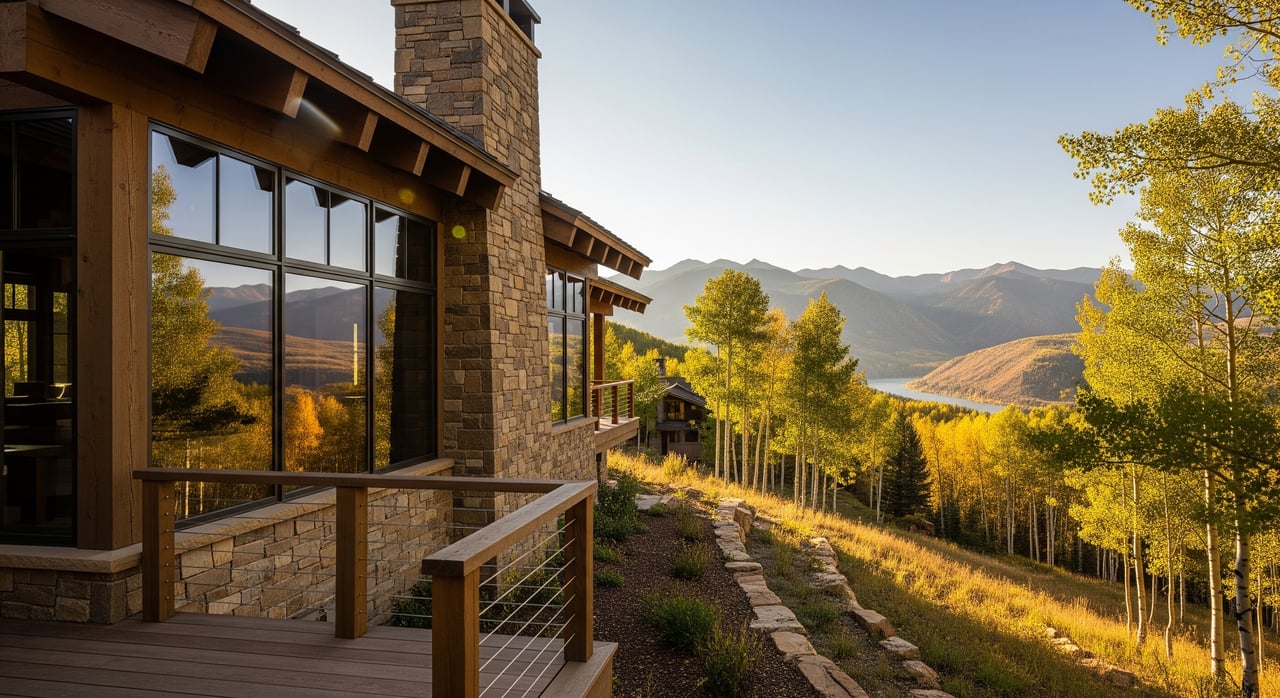
Thinking about buying or selling in Salida and wondering how an appraisal might impact your plans? In a mountain market like Chaffee County, unique homes, varied terrain, and seasonal access can make valuations feel complex. You want a clear path forward and a fair, data‑based opinion of value. In this guide, you will learn how appraisals work, what makes Salida different, how appraisers choose comps, typical timelines and fees, and practical steps you can take to prepare. Let’s dive in.
What an appraisal does
An appraisal is an independent estimate of market value prepared by a licensed or certified appraiser. In most financed purchases, the buyer’s lender orders the appraisal to help set the loan amount. Appraisers must be impartial and follow national standards known as USPAP. You can learn more about the standards from The Appraisal Foundation.
Appraisers also follow federal lending guidelines for the loan type. That can include requirements from Fannie Mae, Freddie Mac, FHA, or VA depending on your financing. Colorado licensing and oversight are handled by the Colorado Division of Real Estate.
If you want a consumer‑friendly overview of how appraisals fit into a mortgage, the Consumer Financial Protection Bureau’s guidance is a helpful resource.
Report types you may see
- Single‑family homes often use the Uniform Residential Appraisal Report, commonly called “the 1004” or “URAR.”
- Properties like vacant land, multi‑unit homes, or unique estates may need different forms, addenda, or a narrative report.
- Some lenders accept desktop or exterior‑only appraisals in limited cases, but full interior inspections are still the norm in unique and rural markets like Salida.
What makes Salida’s market different
Salida and Chaffee County offer a mix of primary homes, second homes, ranch properties, and investment holdings. That variety changes how appraisers pick comps and apply adjustments.
- Buyer mix and seasonality. You will see local buyers, retirees, second‑home seekers, and some investors. Demand patterns and seasonal pricing can vary by sub‑market.
- Geography and access. Elevation, winter access, steep driveways, and distance to plowed roads matter. Properties with difficult access may trade at discounts compared to similar homes with easy year‑round access.
- Lot and terrain. Parcel size is only part of the picture. Usable acreage, slope, privacy, and view quality can outweigh raw acreage. Mountain, valley, or river views often influence adjustments, but the size of the adjustment depends on nearby market evidence.
- Water and wastewater. Many rural homes use wells, springs, cisterns, and septic systems. Permits, capacity, and condition affect value. Deeded water rights or ditch shares can add value, while unpermitted or unreliable systems can diminish it.
- Wildfire and flood risk. Appraisers consider wildfire exposure, defensible space, and insurance availability. Floodplain status and elevation certificates influence both value and loan requirements.
- Zoning and rights. Access easements, conservation easements, split mineral rights, and local land use rules can limit development and affect highest and best use. If short‑term rentals are restricted by local rules or an HOA, that can change the income picture.
- Thin comps. In rural or custom‑home settings, there are often fewer recent, truly comparable sales. Appraisers may widen the search and rely more on the cost or income approach as a check.
For local records, parcels, and permitting context, the Chaffee County government website is a useful starting point.
How appraisers value mountain homes
Appraisers typically consider three approaches to value. The weight given to each depends on the property type and the availability of comparable sales.
Sales comparison approach
This is the primary method for most single‑family homes. The appraiser identifies recent, similar sales and adjusts for differences such as lot size, usable acreage, view quality, condition, elevation, access, and amenities. In Salida, the challenge is finding comps that truly mirror your property. When comps differ in elevation, access difficulty, or view corridor, the appraiser must make thoughtful, well‑supported adjustments.
Cost approach
This estimates the cost to replace the home, minus depreciation, plus land value. It is especially useful for newer construction or custom cabins where comparable sales are sparse. In mountain markets, the cost approach is a helpful check against the sales comparison approach, though it may not capture how buyers value unique finishes or handcrafted features.
Income approach
If the property is a rental or vacation rental, the appraiser may analyze income and expenses and consider local occupancy and average daily rate data. Where rules limit short‑term rentals, the income approach may be adjusted or not used. The Appraisal Institute offers education and resources on applying these approaches in rural markets.
The appraisal process and timing
Here is what you can expect in a typical financed sale:
- Order. After your loan application, the lender orders the appraisal. The appraiser must be independent.
- Scheduling and inspection. The appraiser schedules an interior and exterior inspection. In rural areas, scheduling can take longer due to travel time and availability.
- Research and analysis. The appraiser reviews MLS and public records, verifies property details, selects comps, and prepares adjustments.
- Delivery. Many residential appraisals are delivered within about 7 to 14 calendar days from the inspection. It can take longer in busy seasons or when comps are scarce.
- Reconsideration. If you believe the value misses key facts, the lender can request a reconsideration of value or an appraisal review. Direct attempts to influence value are not allowed.
Fees and local variation
Fees in rural and mountain markets are often higher than in metro areas. Travel distances and a smaller pool of appraisers add time and cost. Your lender will include the fee in the loan estimate.
What appraisers document
- Exterior: site and driveway, building measurements, roof and foundation, condition, outbuildings, views, and utilities.
- Interior: living area, bedroom and bath count, systems, finish quality, and functional layout.
- Neighborhood: supply and demand indicators, trends, amenity access, and any adverse influences such as wildfire risk.
- Documentation: photos of the subject and comps, public records, MLS data, and often a sketch or floor plan.
Appraisal vs. inspection
An appraisal answers, “What is the market value based on data and analysis?” A home inspection answers, “What is the condition of the home and its systems?” An appraisal is not a substitute for a full home inspection. Lenders use the appraisal to assess collateral risk, and you use an inspection to understand condition and safety.
When lenders accept alternatives
Automated Valuation Models, appraisal waivers, desktop appraisals, and drive‑by reports may be allowed in some programs. In a unique mountain market, these options are less common because properties vary widely. Requirements are shaped by investors such as Fannie Mae and Freddie Mac, and by loan type rules from FHA and VA. Expect a full interior inspection in most financed transactions in and around Salida.
Getting ready as a seller
A little preparation can streamline the process and help the appraiser see the full picture of your property.
- Provide a comps packet. Share recent nearby sales and pendings that you and your agent believe are most comparable. Note elevation, access, view, and usability of acreage so the appraiser can verify these points.
- Document upgrades and permits. Gather a list of improvements with dates and costs, plus permits and invoices.
- Tidy and tune. Make sure heat, plumbing, and electrical systems are working, ensure clear access throughout the home, and address obvious safety or functional items.
- Water and wastewater records. Provide well logs, septic permits and recent inspections, HOA rules, and any documentation of water rights.
- Consider a pre‑listing appraisal if your property is truly unique or comps are scarce. Lenders will still order their own appraisal for the buyer, but an early opinion can reduce surprises.
Smart moves for buyers
Your appraisal contingency protects you if value does not match the contract price. Know your options and timelines.
- Review deadlines. Understand when the appraisal must be completed and when you must respond.
- If value is low, be ready to renegotiate, bring additional cash to close, or cancel if your contract allows.
- If you believe the appraisal missed value drivers, provide your lender with data such as permits, upgrade lists, or additional comps. The lender can request a reconsideration of value or an appraisal review.
If value comes in low
- Revisit evidence with your lender. Submit credible additional comps or documentation. The lender will route these through the correct review channel.
- Negotiate. You and the other party can adjust price or terms.
- Bring extra cash. You may choose to cover part of the gap with a larger down payment.
- Second appraisal. Rare, and lender approval is required. The lender may order a review first.
Common Chaffee County challenges and solutions
- Thin comps. Appraisers may widen the time or distance of the search and explain adjustments in detail. The cost approach can serve as a reasonableness check.
- Large or steep parcels. Appraisers focus on usable acreage and market reactions to slope and terrain.
- Wells, water rights, and septic. Document what you have, including legal water access and system capacity.
- Wildfire and flood exposure. Expect commentary on risk factors, insurance availability, and any floodplain issues.
- Short‑term rental potential. Income analysis depends on reliable data and any local or HOA restrictions.
Your next step
Appraisals in Salida’s mountain market reward preparation and local context. When you understand how access, terrain, views, utilities, and risk factors play into value, you can set realistic expectations and negotiate with confidence. If you would like guidance tailored to your property or your offer, connect with the local team at Coldwell Banker Collegiate Peaks Realty. Schedule a Free Consultation.
FAQs
Do appraisals in Salida always match the contract price?
- No, an appraisal is an independent estimate based on market data and may be higher, lower, or equal to the contract price.
What can you do if your Salida appraisal is low?
- You can renegotiate, add cash to cover the gap, request a lender‑initiated reconsideration with additional comps, or cancel if your contract allows.
Can seller‑provided comps influence a lender‑ordered appraisal in Chaffee County?
- Yes, appraisers can consider credible additional market evidence submitted through the lender, and they must independently verify any comps they use.
Are appraisal waivers common for Salida homes?
- They are less common in unique or rural markets because properties vary, and lenders often require a full interior appraisal.
Should you get a pre‑listing appraisal for a unique mountain property?
- It can be helpful when comps are thin or the property is highly unique, but buyers’ lenders will still order their own appraisal.
How is a home appraisal different from a home inspection in Colorado?
- An appraisal estimates market value for the lender, while an inspection evaluates the home’s condition and safety for the buyer.