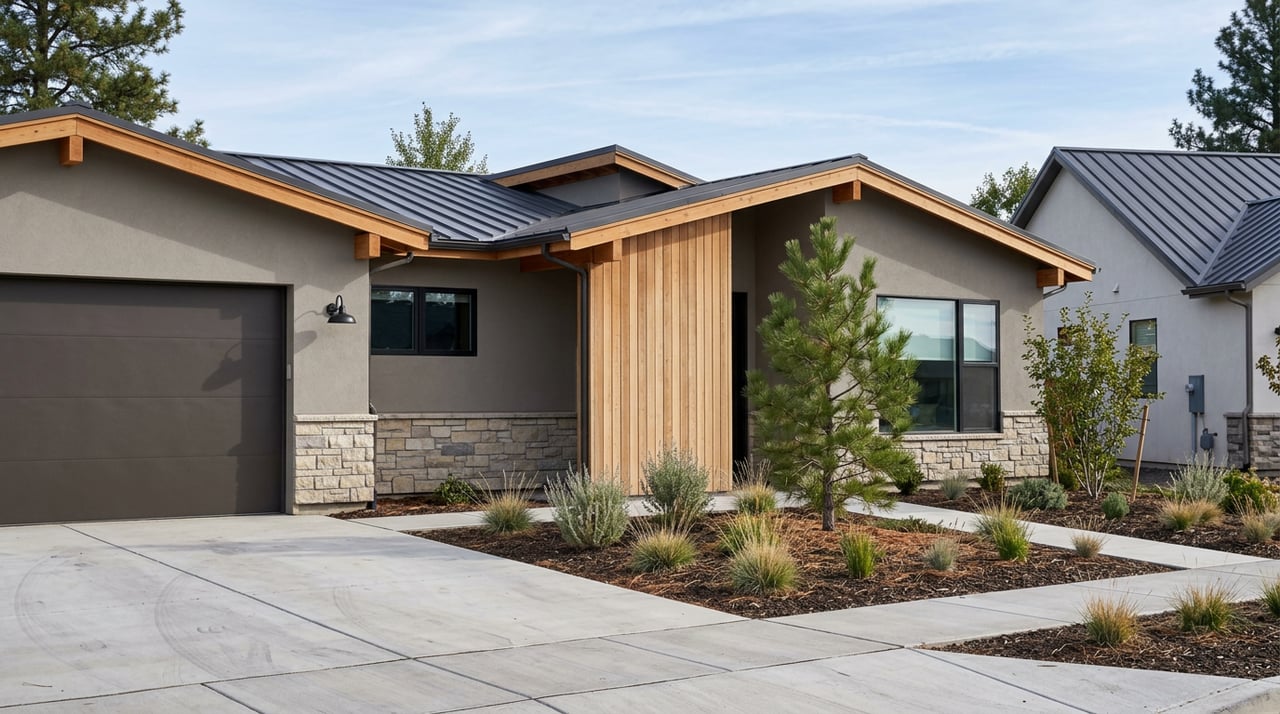
Thinking about a new home near Salida but hoping for more options and better value? You are not alone. Poncha Springs is seeing a wave of new construction that gives you more choice, clearer timelines, and a path to modern mountain living. In this guide, you will learn what is driving the boom, which neighborhoods to watch, how long builds take, and what to check in contracts before you commit. Let’s dive in.
Why Poncha Springs is booming
Poncha Springs is opening the door to more housing after a key infrastructure holdup was resolved. The City of Salida lifted its sewer connection moratorium effective February 4, 2025, which cleared the way for new taps, lot releases, and building permits tied to upgrades and developer-built extensions. You can read the ordinance that ended the pause in new connections in Salida’s public record of the decision. Salida’s ordinance lifting the moratorium explains the change.
Location helps too. Poncha Springs sits at the junction of US 285 and US 50, about 3 miles from downtown Salida and an easy drive to Monarch Mountain and river trails. New communities highlight that you can stay close to Salida’s services while enjoying fresh, efficient homes in emerging neighborhoods. See how one major development positions this advantage on the Poncha Meadows project page.
Local policy also plays a role. The Town of Poncha Springs has processed larger plats and allowed a mix of smaller single-family lots and duplex opportunities in exchange for public amenities like park land. That means more buildable homes on the same acreage. You can find these approvals and conditions in the Town Board minutes for Poncha Meadows Filing No. 2.
What is being built now
Poncha Meadows Filing No. 2
Poncha Meadows Filing No. 2 spans roughly 25 acres with a planned 117 lots serving a mix of single-family and duplex or multifamily product. The developer reports phased infrastructure, staged lot releases, and updates on work completion and warranty periods. You can review the developer’s current overview on Poncha Meadows Filing No. 2 and see municipal approvals documented in Town minutes.
What this means for you: a broad range of layouts and price points, including smaller-lot homes and attached options that can come in below many Salida in-town offerings.
Crossroads Village and nearby pockets
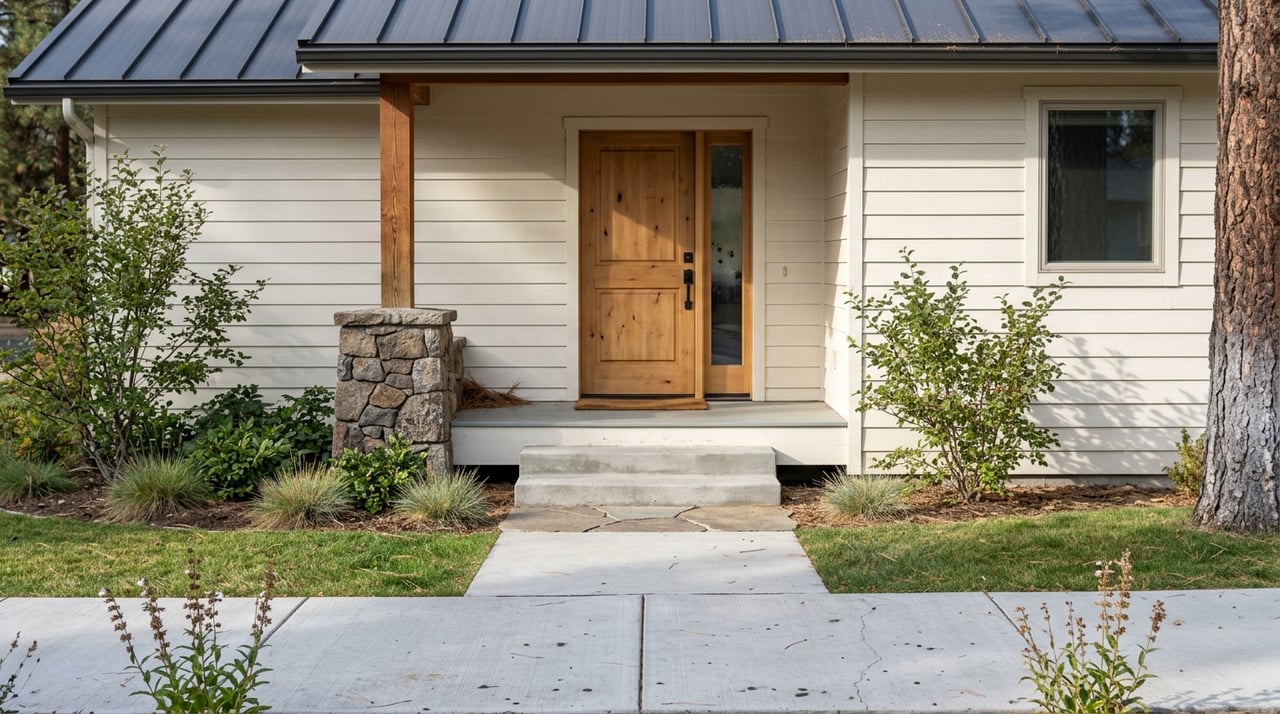
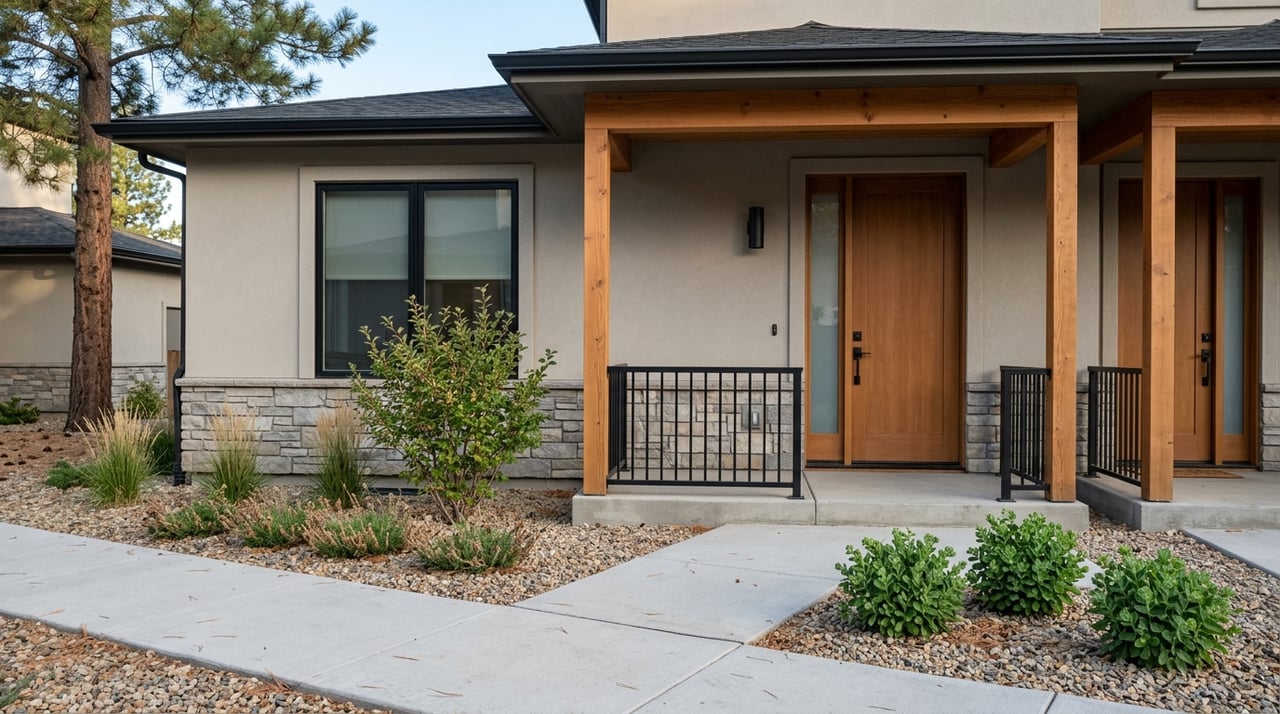
Recent years have brought townhomes and smaller single-family footprints to Crossroads Village and adjacent areas. Many of these are spec or move-in-ready homes, which give you a faster path to occupancy compared with a full custom build. Inventory changes weekly, so your agent can help you verify what is available right now.
Product types you will see
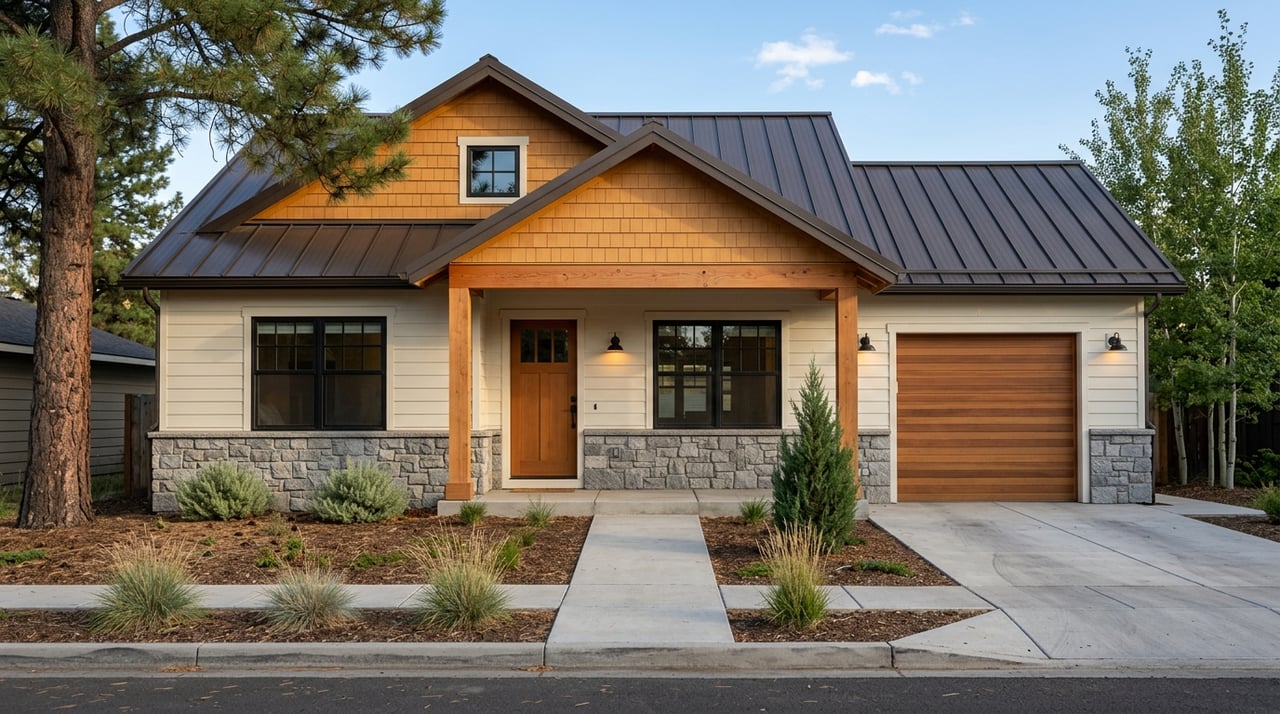
- Spec or inventory homes: move in the fastest with set finishes and limited customization.
- Semi-custom homes: you select from curated packages for things like cabinets, counters, and flooring.
- Custom homes: you choose the design and finishes, with longer timelines and higher cost.
Some plats allow duplexes and accessory dwelling units in select blocks, subject to final approvals and recorded conditions. The Town’s approvals describe where these are permitted and what amenities are provided in return. Check the Town Board minutes for the exact locations and terms.
Timelines and how to plan
Build times vary by product type and season. Many new single-family homes complete in roughly 6 to 12 months from the start of on-site construction, with spec homes often finishing faster than full custom builds. Your exact timing will depend on when a lot is released for permits, the builder’s schedule, material selections, and weather.
Local phasing matters. In Poncha Meadows, for example, the developer outlined a one-year infrastructure window following approvals, followed by phased lot releases. That sets when vertical construction can start. The Town’s records and developer updates confirm the staged approach and help you understand when specific blocks become build-ready. See the Town minutes for approval-to-infrastructure timelines.
Seasonality is a factor across Chaffee County. Heavy civil work clusters in late spring through fall. Winter can slow grading, paving, and some inspections. Permit timing is controlled by local offices, including Poncha Springs Planning and Zoning and the City of Salida for shared systems. For general notices and process updates, start with the Town of Poncha Springs.
Infrastructure and approvals: what to check
Infrastructure agreements shape when lots are ready. During the sewer-capacity dispute, developers agreed to fund and build extensions and provide performance guarantees. A recorded example is the Poncha Meadows Sewer Line Extension and Connection Agreement, which details the required 8-inch PVC main and the builder’s performance guarantee amount. This is a good model for the kind of obligations that must be complete or bonded before lots are released. You can review the agreement language in the Sewer Line Extension and Connection Agreement.
When you evaluate a lot or a newly platted block, ask:
- Is the lot eligible to pull a building permit now, or is it pending a lot-release milestone?
- Are sewer and water taps available, and are connection fees set or subject to change?
- What public improvements are finished, under construction, or bonded during a warranty period?
These answers help you plan deposits, timelines, and move-in dates with confidence.
Budgeting and financing for new builds
Buying new construction often involves a different financing path than resale. Builders may offer inventory homes with standard mortgages. For custom or semi-custom homes, you may use a construction loan that converts to a permanent mortgage at completion. That means staged draws during construction, cost control around change orders, and careful timing if you need to sell your current home.
For a plain-language overview, review consumer-oriented materials and agency resources. You can start with HUD guidance on financing basics to frame key concepts and discuss specifics with your lender.
Pro tip: Ask if the builder provides any lender incentives or rate options for on-site, inventory, or quick-move homes.
New-construction contract checklist
Before you sign a builder contract, confirm these items:
- Inclusions and allowances: what finishes are standard and what counts as an upgrade.
- Deposit schedule and escrow: due dates, refund terms, and where funds are held.
- Change orders: how pricing works and how changes affect time and cost.
- Milestones and completion: target dates, delay remedies, and punch-list process.
- Inspections: your rights to inspect at framing, pre-drywall, and pre-close.
- Warranties: ask for the full booklet and who backs structural coverage.
- Lot-release status and utilities: verify permit eligibility and tap availability. You can see how performance guarantees and extensions work in the Sewer Line Extension and Connection Agreement.
Move-in ready vs. building from scratch
If you want speed and cost certainty, a spec or move-in-ready home is often your best fit. You trade some flexibility in finishes for a shorter wait and a predictable price.
If you want exact layouts and finishes, semi-custom or custom builds give you more control. Expect to spend more time on selections and allow a longer path to completion. Your agent can help you compare total costs and timelines across options, including carrying costs if you keep your current home during construction.
The bottom line for Poncha Springs buyers
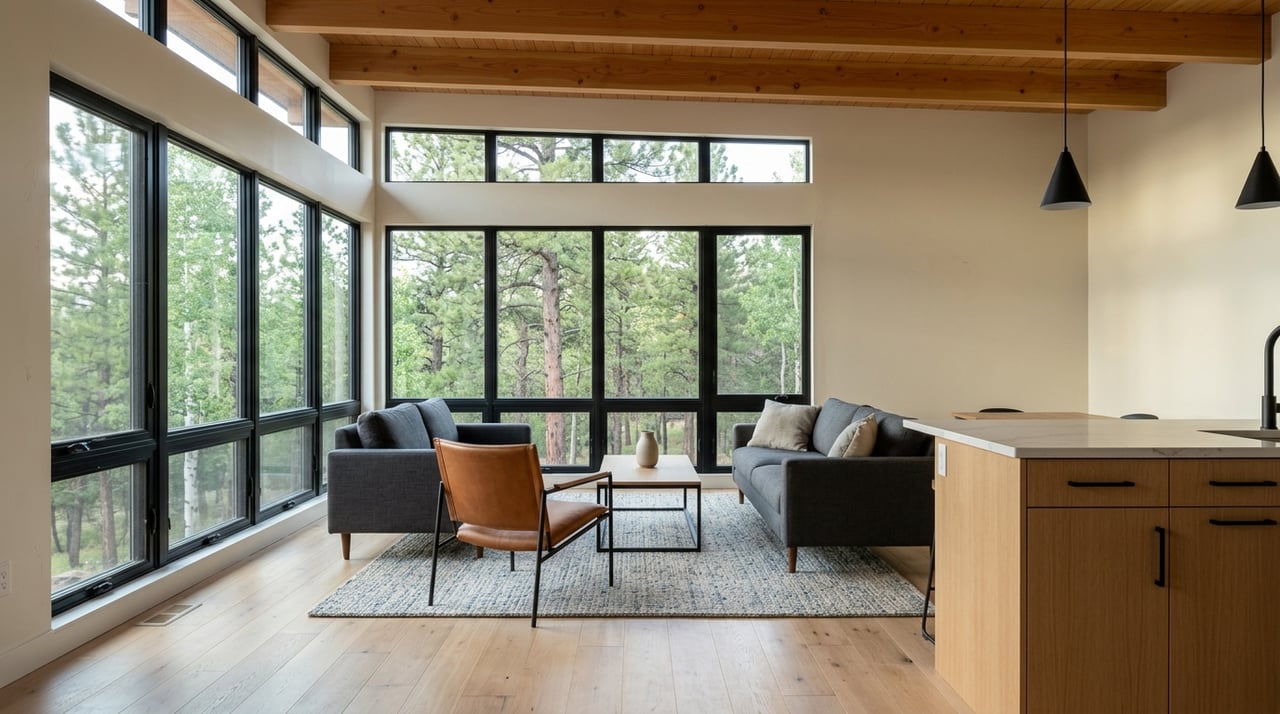
The combination of lifted infrastructure limits, proactive town planning, and proximity to Salida is bringing real housing choices to Poncha Springs. From single-family lots to duplex-capable blocks and move-in-ready townhomes, you can match your budget and timeline without giving up the Arkansas River Valley lifestyle.
If you want a local guide to compare neighborhoods, lot-release timing, and builder options, we are here to help. Reach out to Coldwell Banker Collegiate Peaks Realty to Schedule a Free Consultation. We will tailor a plan to your goals and walk you through each step, from financing to final walk-through.
FAQs
What changed in 2025 to unlock new homes in Poncha Springs?
- Salida lifted its sewer connection moratorium effective February 4, 2025, which allowed new taps and lot releases tied to upgrades and extensions, as documented in Salida’s ordinance.
Where are the largest active subdivisions in Poncha Springs?
- Poncha Meadows Filing No. 2 is a major example with a planned 117 lots and a mix of single-family and duplex or multifamily product, supported by Town approvals in the Board minutes and developer details on the project page.
How long does it take to build a home in Poncha Springs?
- Many homes finish in about 6 to 12 months once on-site work begins, but the key drivers are lot-release status, builder scheduling, selections, and seasonality in central Colorado.
Can I build a duplex or add an ADU in Poncha Springs?
- Some blocks allow duplexes or ADU-friendly lot types, but permissions depend on the specific plat and recorded conditions. Check the Town minutes and your lot’s recorded documents.
What should I review in a Poncha Springs builder contract?
- Verify inclusions, deposits, change-order rules, timelines, inspection rights, warranties, and whether the lot is eligible for permits now. For context on infrastructure obligations, see the Sewer Line Extension and Connection Agreement.