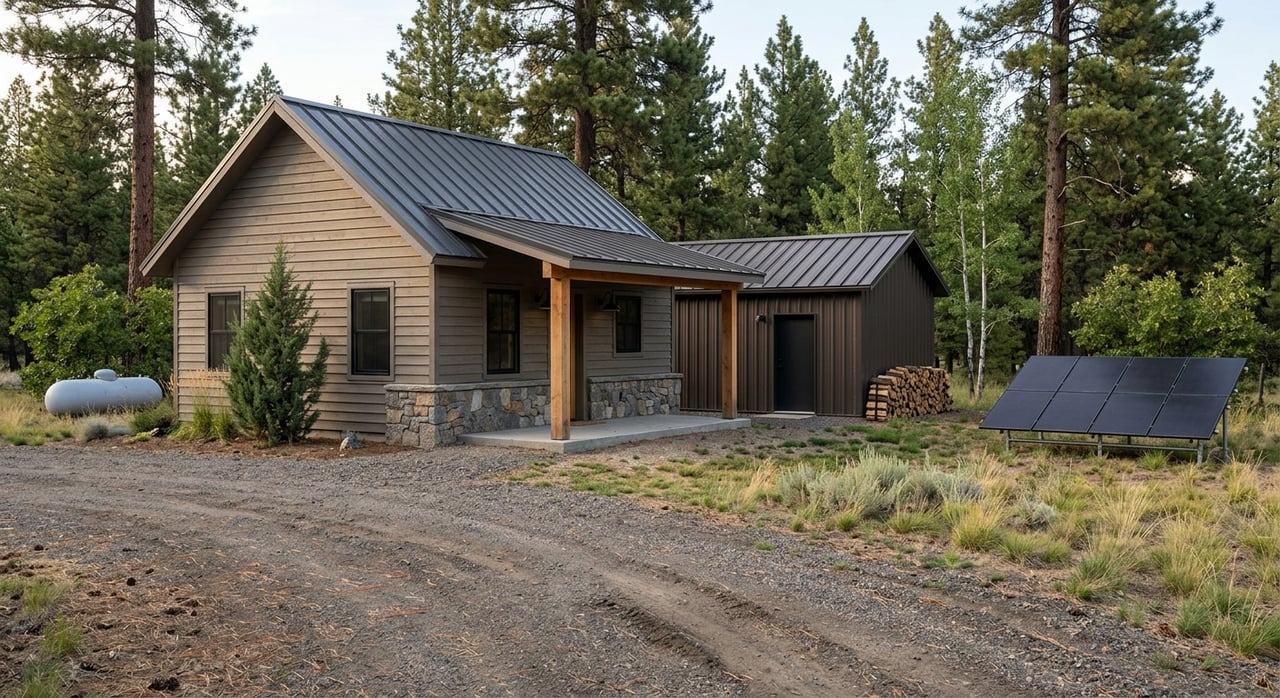
Dreaming of a quiet cabin, big skies, and self-reliance near Hartsel? You’re not alone. Rural and off-grid properties around Hartsel offer space, privacy, and easy access to South Park’s lakes and trails. But buying in the high country comes with extra homework. In this guide, you’ll learn what to expect with roads, utilities, water and septic, land use, hazards, and the steps to take before you buy. Let’s dive in.
Why Hartsel draws rural buyers
Hartsel sits in central Park County at high elevation, with a very small local population and a true mountain climate. Expect cold winters, snow, and a short growing season at roughly 8,800 to 9,000 feet, as noted in the Hartsel community overview.
You’re about two hours from Denver and roughly 1 to 1.5 hours from Colorado Springs, depending on route and weather. See typical drive times using this Hartsel-to-Denver driving time estimate.
Many buyers target Hartsel for year-round recreation on nearby reservoirs and public lands. You’ll find boating, fishing, and open-country views, along with a price-per-acre that can be attractive compared to resort towns.
Access and road realities
Most rural parcels are reached by gravel roads that may be county maintained or privately maintained. Park County only plows roads that have been dedicated and accepted for county maintenance. Private roads and many subdivision roads are not plowed by the county. Review the county’s guidance on road status and snow removal in the Road Maintenance reference.
What this means for you:
- Verify if the access road is county maintained or private. Ask for documentation.
- If access is private, request a written road maintenance agreement. Clarify who clears snow, how often, and who pays.
- Budget for a plow service or equipment if you plan to live there year-round.
- Consider emergency access and response times, especially in winter.
Power and heating options
Electricity
Rural Park County is primarily served by a member co-op. Confirm whether the lot already has a pole, meter, and service drop from the CORE Electric Cooperative. If not, a new line extension or long service drop can add cost and time to your project. Contact the co-op early for availability and an extension estimate before you make an offer.
Tip: If you plan to add solar and batteries, ask CORE for interconnection requirements. If you plan to stay fully off-grid, confirm your system sizing with a qualified electrician who knows high-altitude performance impacts.
Heating and fuel
Rural and off-grid homes commonly use propane, wood stoves, or electric heat. If you plan on propane, verify delivery routes and seasonal scheduling with a local supplier such as Ferrellgas in Fairplay. Ask the seller about tank ownership or lease terms, and typical winter usage.
Water: wells, permits, and testing
Most rural parcels rely on a private well, hauled water, or a community well. Colorado well permits are regulated by the Division of Water Resources, and the residential permit guidance (Form GWS-44) limits how water can be used. On many small parcels, outdoor watering and livestock use are restricted. Review the DWR residential well permit guidance (Form GWS-44) and obtain the well permit, well log, and test results during due diligence.
Smart steps:
- Ask for the well log, pump size and depth, and static water level.
- Order a certified pump test to confirm yield and recovery.
- Order a full laboratory water-quality report for bacteria, nitrates, and other common parameters.
- If no well exists, ask DWR about permit feasibility and allowed uses for your specific parcel.
Septic: permits and inspections
Onsite wastewater systems require permitting and inspections through Park County Environmental Health. For an existing system, request the septic permit file or as-built and hire a licensed inspector if records are incomplete. For new construction, expect soil/site evaluations, design, and inspections per county rules. Start with Park County’s septic permit and driveway application guidance.
Key checks:
- Confirm the permitted bedroom capacity matches the home’s layout.
- Ask for maintenance records and the date of the last pump-out.
- If adding bedrooms, confirm whether the system can be expanded.
Internet and cell service
Wired broadband is limited in many parts of Hartsel. Most buyers plan for satellite internet or fixed wireless, and cell coverage varies by carrier and location. Ask the seller what works on-site, verify with carrier maps, and confirm equipment transfers if a satellite system is already installed. Plan for a backup solution if you need reliable video calls or remote work.
Zoning, access, and property rights
Zoning and allowed uses
Park County’s land-use regulations define zone districts, setbacks, permitted uses, and rules for accessory structures and animals. Hartsel itself is identified as a Rural Center in county planning documents. Always verify your parcel’s zoning and allowed uses with the county planning department. You can review the Park County Land Use Regulations as a starting point.
Legal access and easements
Confirm that your parcel has legal access via a dedicated public road or recorded private easement. If access is across private land, request the recorded easement documents and a written road maintenance agreement. Lenders and the county often require proof of permanent legal access for development.
Mineral rights
In Colorado, the mineral estate can be severed from the surface estate. If minerals are reserved by a prior owner, the mineral owner may have a right to reasonable surface use to develop those minerals. Ask your title company to search for mineral reservations and consult a title attorney if needed. Learn more about mineral leasing and ownership context from the Colorado State Land Board.
Water rights
Owning land does not automatically grant surface water rights. Well permits control groundwater use, while surface water rights are separate and governed by Colorado’s prior appropriation doctrine. If the parcel includes a ditch, stream, or mentions irrigation rights, request documentation and consult DWR or a water attorney. See the DWR guidance noted above for well-permit basics.
Hazards, insurance, and mitigation
Wildfire exposure and insurance
Park County sits in a wildfire-prone landscape. Vegetation, slope, and access all affect your risk. Many insurers now factor wildfire exposure and distance to fire protection into rates and eligibility. Get insurance quotes for the specific address early, and document any mitigation improvements. The Colorado Division of Insurance provides consumer info and tips in this wildfire insurance advisory.
Pro tip: Ask the local fire protection district about response times, burn permits, and any impact fees for new construction. Create defensible space and choose noncombustible exterior materials where possible.
Radon and indoor air
Colorado has a high prevalence of elevated radon. Test during due diligence and budget for mitigation if levels exceed action thresholds. The state’s guidance on testing and mitigation is here: CDPHE radon resources.
Flooding and site drainage
Even in the high country, seasonal streams and culverts can create localized flooding. Check FEMA flood maps and county planning resources for floodplain and wetlands reviews. Site your driveway, culverts, and leach field with drainage in mind.
Ongoing costs to plan for
Budget for the routine costs that come with rural living. Common line items include:
- Private road upkeep or HOA road assessments.
- Snow removal for the driveway and non-county roads.
- Septic pumping and inspections.
- Well maintenance and pump service.
- Propane deliveries, generator fuel, and filter replacements.
- Wildfire mitigation and vegetation management.
- Insurance premiums that reflect rural and wildfire risk.
Your rural property due-diligence checklist
Use this checklist to keep your purchase on track. Share it with your agent and inspector team.
Documents and title
- Recorded deed and legal description; confirm parcel boundaries with a survey if needed.
- Title search for easements, access, utilities, and any mineral reservations. If minerals are severed, consider a legal review. See Colorado State Land Board’s resources for context.
Site and utilities
- Power: Confirm provider, whether a pole/meter exists, and request an extension estimate from CORE Electric Cooperative.
- Water: Obtain the well permit and log; order a certified pump test and lab water-quality report. Review the DWR GWS-44 guidance for allowable uses.
- Septic: Request the county permit file or as-built. If records are incomplete, hire a licensed inspector. Start with Park County’s septic guidance.
- Roads: Confirm if the access is county maintained and plowed, or private with a road agreement. Review the county’s road maintenance reference.
- Internet/cell: Ask the seller which carriers work and what internet options are used on-site.
Zoning and hazard checks
- Verify zoning, setbacks, RV use, accessory structures, and animal allowances in the Park County Land Use Regulations.
- Contact the local fire protection district about response, burn permits, and any impact fees for new builds.
- Order a radon test and plan for mitigation if needed per CDPHE guidance.
Insurance and financials
- Ask an insurance broker to pre-qualify the property for homeowners coverage and provide quotes. Review tips in DORA’s wildfire insurance advisory.
- Have the title company check for mineral reservations, unpaid assessments, and tax liens.
Professionals to involve
- Licensed home inspector with off-grid and high-altitude experience.
- Licensed electrician and, if needed, solar/battery specialist.
- Licensed well driller/hydrogeologist and a certified water lab.
- Park County–licensed septic inspector or wastewater engineer.
- Land surveyor for boundaries and to locate wells and leach fields.
- Title company or attorney for easements and mineral-rights review.
- Local insurance broker who understands wildfire underwriting.
How a local guide makes it easier
Buying rural or off-grid near Hartsel is achievable when you plan ahead. The right team helps you verify access, utilities, and permits before you commit, and connects you with trusted local pros who know mountain systems. If you want a clear, step-by-step path from search to close, our boutique team is ready to help.
Have questions about a specific parcel or want to walk through this checklist together? Reach out to Coldwell Banker Collegiate Peaks Realty to Schedule a Free Consultation.
FAQs
What should I know about winter road access near Hartsel?
- Park County only plows roads that are dedicated and accepted for county maintenance. Confirm if your access road is county maintained or governed by a private road agreement, and budget for snow removal if private. See the county’s road maintenance reference.
How do Colorado well permits affect small rural parcels?
- Many residential well permits limit outdoor uses on small lots. Always review the well permit, obtain a pump test and water lab results, and confirm allowable uses under the DWR GWS-44 guidance.
How can I confirm electric service to a remote lot?
- Ask whether a pole, meter, and service drop already exist and contact the CORE Electric Cooperative for availability, extension costs, and timelines. Build this into your budget and contract timeline.
Why do mineral rights matter when buying land in Park County?
- In Colorado, mineral rights can be owned separately from the surface. If severed, mineral owners may have surface-use rights. Have your title company search for reservations and consult resources like the Colorado State Land Board.
How does wildfire risk affect homeowners insurance in the area?
- Wildfire exposure and distance to fire protection can impact availability and cost of coverage. Get quotes early and document mitigation. See DORA’s wildfire insurance advisory for guidance.
Do I need to test for radon in a high-elevation cabin?
- Yes. Colorado has a high prevalence of elevated radon. Test during due diligence and plan to mitigate if levels exceed state-recommended thresholds. Start with CDPHE radon resources.